

Arabi’s market can feel highly local, which means price trends and available inventory often make more sense when you look closely at block-by-block condition, lot size, and property updates. For buyers, that creates opportunities to compare value carefully instead of reacting to headline numbers alone. For sellers, it means preparation and pricing strategy matter just as much as timing.
Why Arabi’s Housing Market Deserves a Closer Look
Just downriver from New Orleans, Arabi offers a housing stock that attracts attention for its character, location, and range of property types. Some homes reflect older architectural styles and larger lots, while others have been substantially updated or rebuilt. That mix can make average price data look straightforward at first glance, but in practice, one listing may not be directly comparable to the next. A renovated property with modern systems, elevated construction, or major storm-resilience improvements may occupy a very different pricing tier than a home with similar square footage but more deferred maintenance.
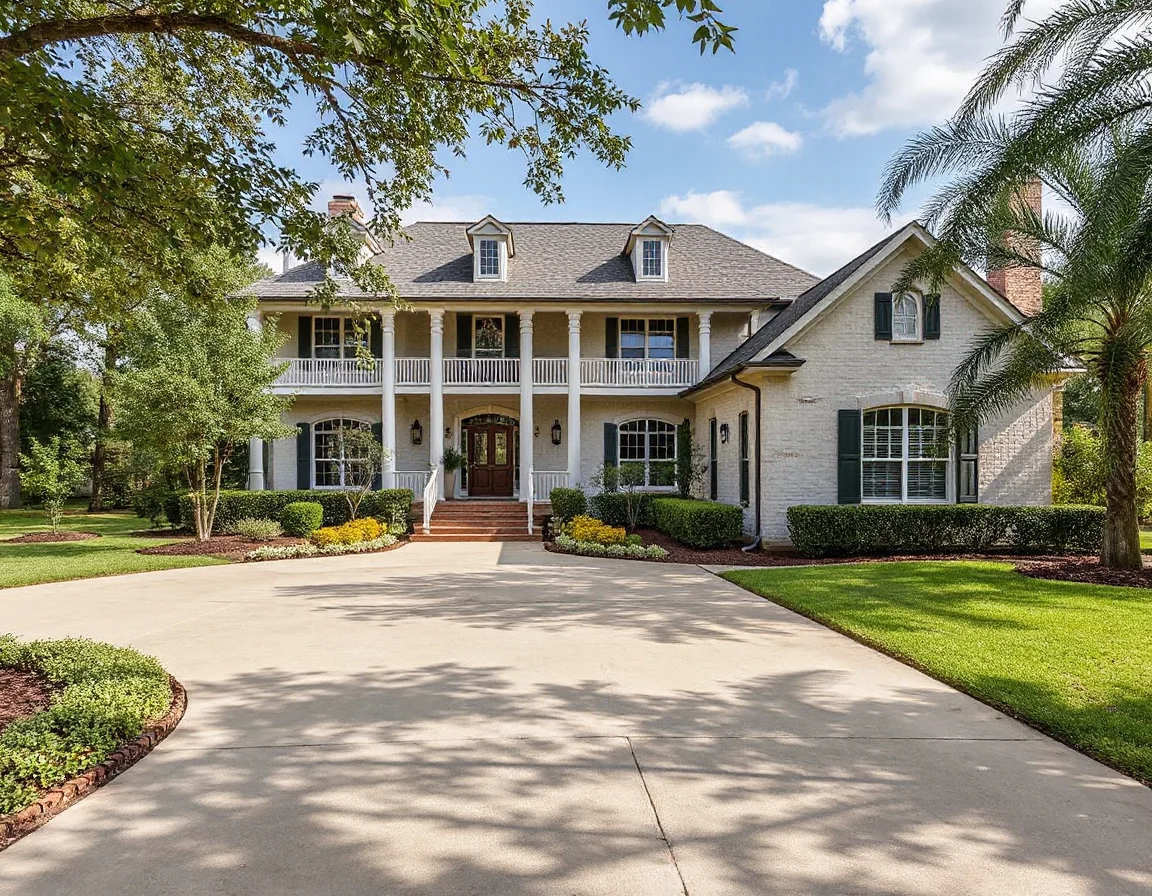
That is why both buyers and sellers benefit from looking beyond the headline median. In a place like Arabi, pricing often reflects a combination of condition, elevation, insurance-related considerations, lot dimensions, and the degree to which a property is turnkey. Two homes can sit near each other and still produce very different outcomes in days on market and final sale price. When inventory is limited, that contrast becomes even sharper because well-prepared listings can stand out quickly, while homes needing significant work may linger until expectations reset.
Location within the greater metro area also plays a role. Many people consider Arabi because they want access to New Orleans amenities while exploring alternatives in nearby communities. That convenience supports demand, but demand does not automatically lift every listing equally. Buyers are often comparing commute patterns, road access, flood-zone details, and renovation costs at the same time they compare list prices.
In smaller submarkets, even a handful of new listings or recent closings can shift the feel of the market quickly. Looking at the most recent comparable sales usually tells a clearer story than relying on older annual averages.
What Buyers Should Watch in a Shifting Inventory Environment
For buyers, inventory matters because it shapes both negotiating power and the pace of decision-making. When only a small number of homes are available, the best-positioned listings tend to get the most attention first. That does not always mean bidding wars across the board, but it often means buyers need to know their must-haves, their repair tolerance, and their budget ceiling before touring seriously. In Arabi, where homes can differ widely in age and updates, a disciplined comparison process is especially important.
Instead of asking only whether prices are up or down, buyers may want to ask more practical questions: How many comparable homes are actually on the market right now? How long are they taking to go under contract? Are sellers reducing prices after a few weeks, or are well-presented homes moving at or near asking? Those details reveal more about leverage than a broad market headline. They also help buyers decide whether to move quickly on a polished listing or reserve room in the budget for future repairs and improvements.
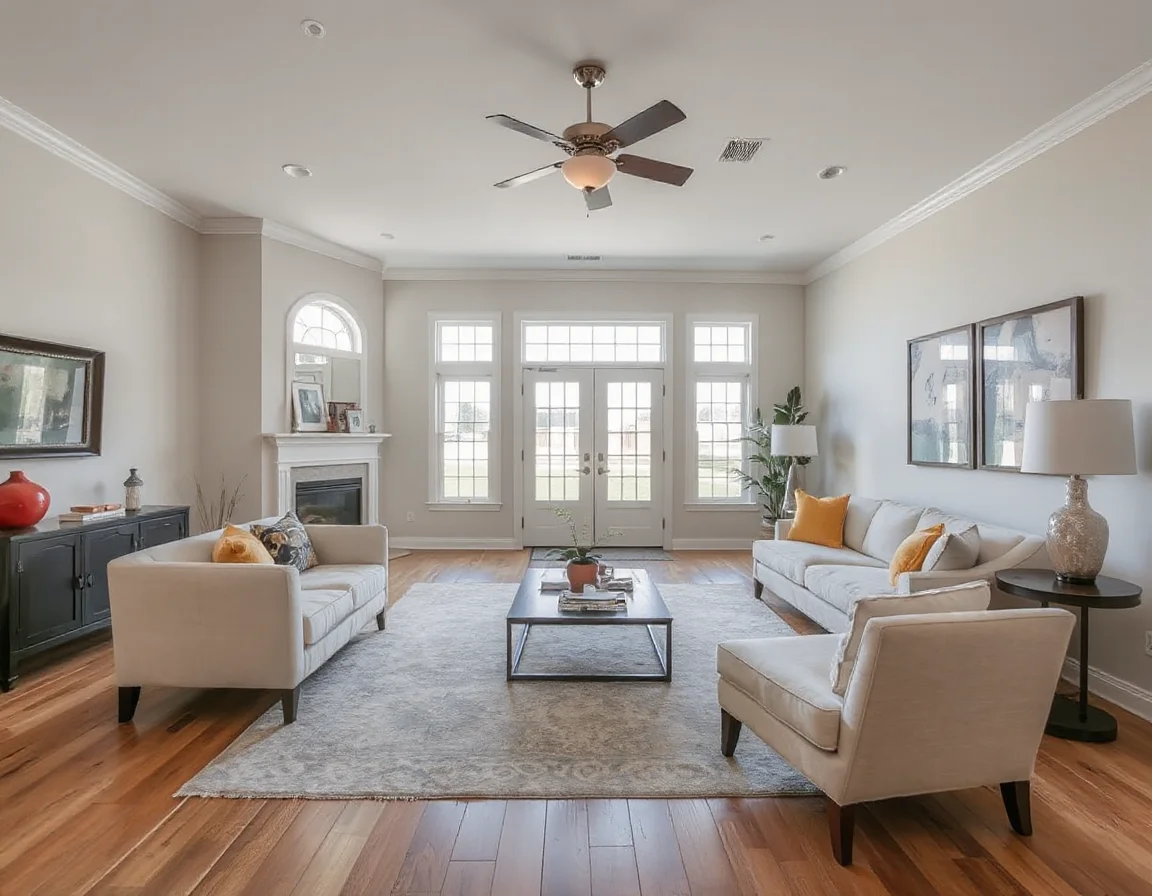
Another key factor is the true cost of ownership. In Southeast Louisiana, buyers are often evaluating insurance quotes, inspection items, roof age, drainage, and the condition of major systems with extra care. A lower purchase price may not always equal better value if the property needs immediate work. On the other hand, a home priced higher than nearby listings may make sense if it has recent mechanical upgrades, improved elevation, or renovations that reduce near-term expenses.
Buyers should also pay attention to how a property presents online versus in person. In a market where inventory can be tight, strong listing photos may generate traffic quickly, but the showing experience still determines whether a home feels competitively priced. If several active listings have been sitting, that can create room for negotiation. If the cleanest and best-updated properties are moving first, that is a sign that buyers are still willing to pay for certainty and convenience.
A home that needs cosmetic work may still be a solid purchase if the structure, systems, and location fundamentals are strong. The smartest comparisons separate style updates from major capital expenses.
What Sellers Need to Know About Pricing and Preparation
Sellers in Arabi face a market where presentation can widen the gap between a fast, confident sale and a listing that stalls. Because buyers are often comparing homes with very different update levels, pricing is not just about square footage. It is about how your property stacks up against the homes a buyer will actually tour in the same week. If a nearby listing has newer windows, a more recent roof, and a fresher interior, those features will shape buyer perception immediately, even if your home has similar dimensions.
That makes pre-listing preparation especially valuable. Small improvements like paint touch-ups, lighting updates, exterior cleanup, and a focused repair list can improve how a home reads both online and during showings. In a market where inventory can be limited, buyers often notice the details. A home that feels maintained and straightforward to own tends to reduce hesitation. It may also protect the seller from aggressive negotiation after inspections, because buyers entered the process with stronger confidence in the property’s condition.
Sellers should also be realistic about the difference between what they have invested and what the current market rewards. Not every upgrade returns dollar-for-dollar value, and not every neighboring sale is a true comparable. Homes with unique features, storm-related improvements, or nonstandard layouts require careful pricing logic. Starting too high can lead to reduced traffic in the first weeks, which are often the most important window for fresh-market attention. By contrast, a well-supported price can create stronger momentum and more credible buyer interest.

Another point worth remembering is that inventory affects seller strategy too. If there are only a few competing homes, that can help a listing gain attention, but only if it enters the market in strong shape. Limited competition is not a substitute for good photos, clear disclosures, and a pricing strategy based on current buyer behavior. The market rewards homes that feel easy to evaluate.
Reading the Market Without Overreacting
One of the biggest mistakes on either side of a transaction is relying too heavily on a single number. Median price, average days on market, and months of supply all matter, but none of them tells the whole story on its own. In Arabi, the mix of older homes, renovated properties, and varying lot characteristics means that trends can appear more dramatic on paper than they feel in real negotiations. A few higher-end closings can pull averages upward, while several fixer-upper sales can make the opposite case just as quickly.
The better approach is to combine current inventory, recently closed comparables, and the condition story behind each home. Buyers should ask whether they are paying for updates they truly value. Sellers should ask whether their list price reflects how the market views the property today, not how they hope it will be viewed. That kind of practical analysis usually leads to cleaner offers, more productive negotiations, and fewer surprises after inspections or appraisal review.
Arabi remains a market where local knowledge matters. The more closely you examine inventory quality, property condition, and recent sale context, the easier it becomes to interpret price movement with confidence. Whether you are buying or selling, the goal is not just to know the number on the listing sheet. It is to understand what is driving that number and how it compares to the alternatives currently in play.