
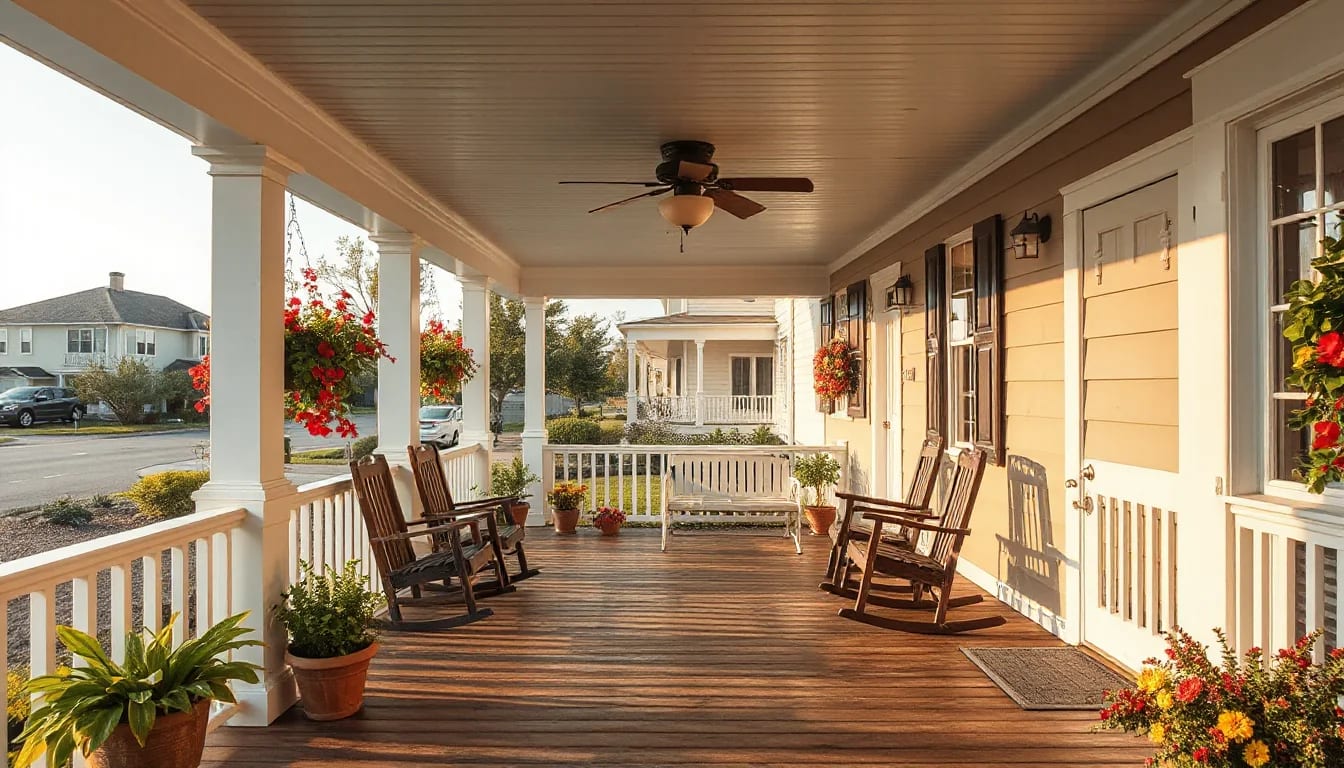
A home inspection in Arabi can uncover everything from routine maintenance to larger-ticket repairs, and knowing how to read that report can shape your offer, budget, and negotiation strategy. This guide breaks down the issues buyers commonly watch for in older and renovated homes, how repair costs can stack up, and when a finding is worth renegotiating versus simply planning for future upkeep.
Why inspections matter in Arabi
Buying in Arabi often means looking at homes with character, established lots, and a wide range of renovation histories. That mix can be exciting, but it also means two properties with similar price points may have very different condition profiles behind the walls, under the roofline, or below the flooring. An inspection helps turn a visually appealing showing into a more complete understanding of what you may actually be taking on after closing.
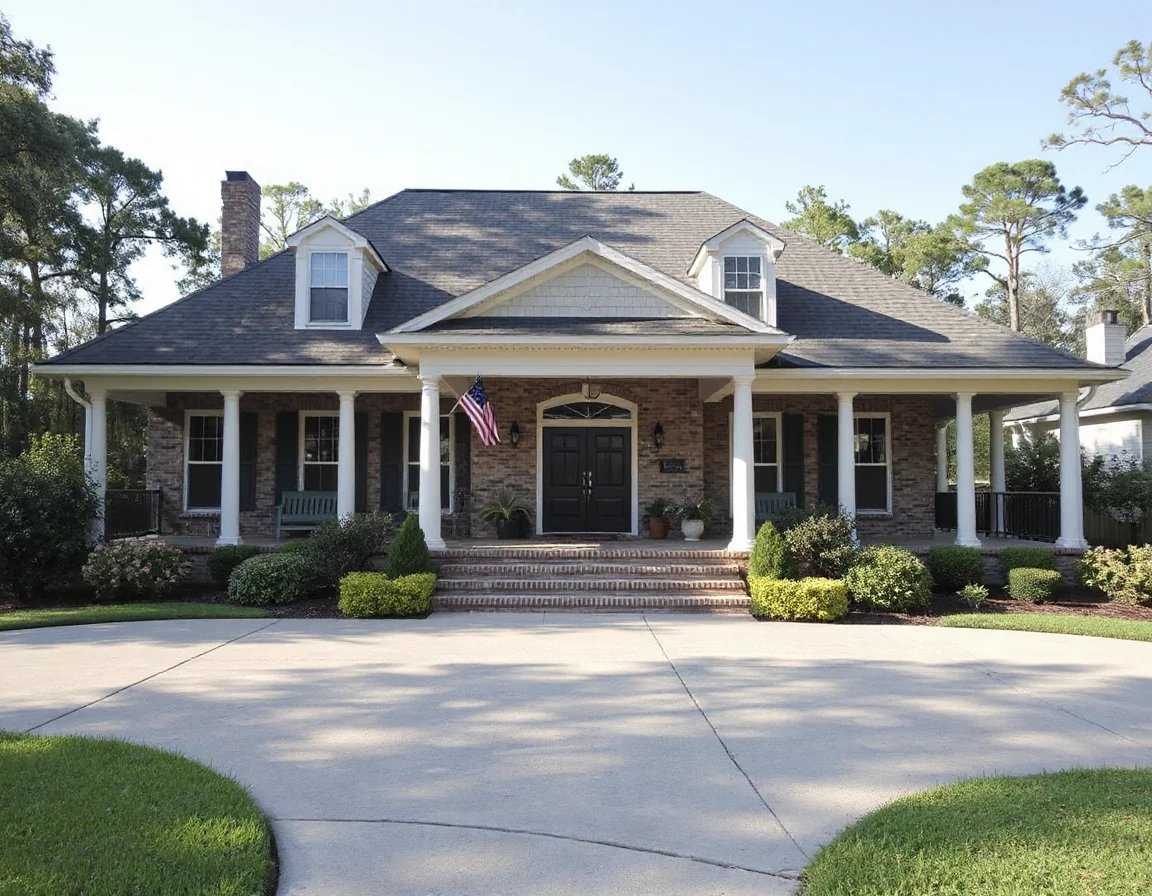
In this market, the inspection period is more than a formality. It is the stage where buyers can compare cosmetic updates with the condition of major systems such as roofing, HVAC, electrical panels, plumbing lines, and foundations. If a house has been renovated, the report can help you distinguish between updates that are purely aesthetic and work that meaningfully improved long-term durability.
That matters because repair costs rarely arrive one at a time. A roof issue may lead to insulation concerns, staining may point to moisture intrusion, and an aging electrical setup could affect insurance options or near-term upgrade needs. A good inspection report helps buyers create a realistic first-year ownership budget rather than focusing only on the down payment and monthly mortgage.
The most useful inspection mindset is not “Does this house have flaws?” but “Which issues are immediate, which are negotiable, and which can be planned for over time?”
It is also helpful to remember that no home is perfect. Even well-maintained properties typically produce a list of recommendations. The real value comes from understanding severity, safety implications, and cost range so you can make an informed decision without overreacting to every note in the report.
Common inspection findings buyers should review closely
Many buyers start with the headline items, and that is usually the right move. Roof age and condition, signs of water entry, foundation movement, outdated electrical components, and plumbing issues tend to have the biggest impact on repair budgeting. In older housing stock, it is especially important to ask whether components are simply older but functioning, or whether they are near the end of their useful life and likely to require replacement soon.
Moisture is one of the biggest themes to evaluate carefully. Inspectors may note staining, soft wood, grading concerns, or ventilation problems in attics and crawlspaces. Those findings do not always mean a major structural issue, but they can signal a need for further review and a more detailed contractor estimate. Even relatively modest water-related repairs can expand if hidden damage is uncovered during the work.
Electrical and plumbing findings also deserve close attention because they can affect both day-one usability and future project costs. A panel that needs updating, old wiring methods, corroded supply lines, or slow drainage may not all be emergency repairs, but several smaller issues in those categories can quickly change your post-closing budget.
- Roofing: age, missing materials, flashing, visible sagging, and drainage
- HVAC: approximate system age, service condition, and cooling performance
- Plumbing: active leaks, water heater condition, drain function, and pipe materials
- Electrical: panel capacity, visible defects, GFCI protection, and grounding concerns
- Structure: cracks, settlement patterns, moisture damage, and framing concerns
- Exterior: siding, trim, porches, grading, and drainage away from the home
If a report recommends a specialist, take that seriously. Inspectors provide broad observations, but a roofer, electrician, plumber, or structural professional can often define scope and pricing more accurately before contingency deadlines expire.
How repair costs can add up faster than expected
One of the biggest surprises for buyers is that the inspection itself does not assign final pricing. Instead, it reveals categories of work. That means the next step is often collecting estimates, comparing urgency, and figuring out whether the cost is a short-term expense or part of a longer capital plan. A single issue may be manageable, but several mid-range repairs at once can materially affect affordability.
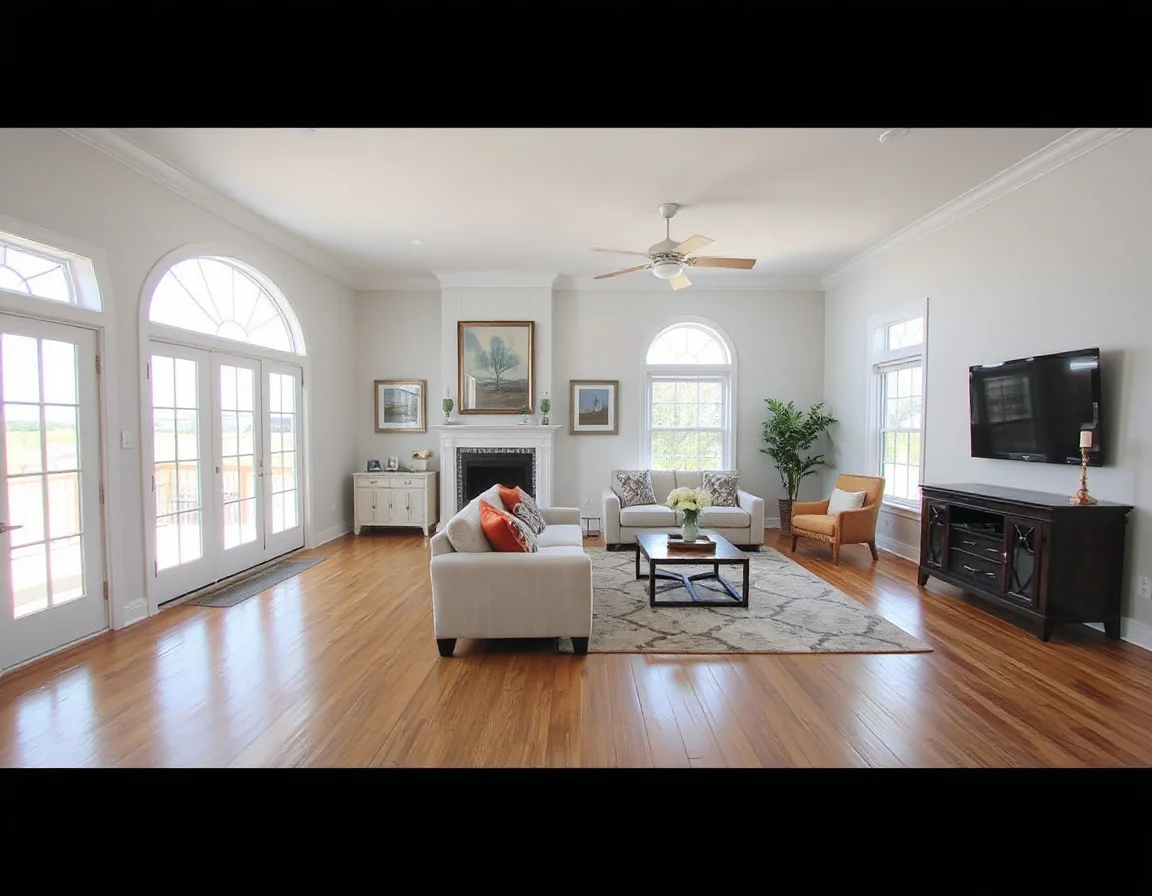
For example, buyers may budget for obvious work like painting or appliance replacement, but not for less visible items such as drainage corrections, electrical updates, crawlspace improvements, or ductwork repairs. Those projects may not sound dramatic individually, yet together they can shift the first-year cost of ownership by thousands of dollars.
Another factor is sequencing. If you need to repair a leak before replacing damaged ceiling material, or upgrade wiring before starting a kitchen project, the order of work matters. That can delay move-in plans or reduce how much cash you want to spend immediately after closing. Looking at the report through a timing lens is just as important as looking at it through a price lens.
When multiple systems show age, ask for estimates on the top three cost drivers first. That gives you a clearer negotiation strategy than trying to price every minor item on the report.
Buyers should also separate deferred maintenance from deal-breaking defects. Loose hardware, minor caulking gaps, and routine wear are common. By contrast, active water intrusion, major system failure, or structural movement typically deserves a more serious conversation. Knowing the difference keeps negotiations focused on what matters most.
Estimate how repairs may affect your monthly budget
Negotiating after the inspection
Once the report is in, there are usually several paths forward. Buyers may ask for repairs, request a credit, seek a price adjustment, or move ahead as-is if the findings fit their expectations. The best choice often depends on the nature of the issue, the pace of the market, and whether you would rather control the repair work yourself after closing.
A repair request can make sense when a defect needs to be addressed before occupancy or when a lender or insurer may require correction. A credit or price reduction may be more practical when the scope is still being defined or when buyers prefer to select their own contractor and materials. In either case, documentation matters. Contractor estimates, photos, and a concise summary of the major concerns can make negotiations more productive and less emotional.
It is wise to prioritize. A long list of small requests can dilute attention from the items that truly affect value or habitability. Buyers who focus on major systems, active leaks, structural concerns, and significant safety issues are often better positioned to have a clear, credible conversation with the seller.
There is also a strategic element: if the home is otherwise a strong fit, the goal is not necessarily to “win” every line item. The goal is to understand your true cost basis and decide whether the purchase still makes sense on your terms.
Using the inspection to make a confident decision
At the end of the process, an inspection report is a decision-making tool, not just a repair list. It helps buyers evaluate whether the home's condition aligns with the purchase price, whether cash reserves are adequate for near-term work, and whether the property still fits their timeline. That perspective is especially important when comparing an older home with original systems against a recently updated one with fewer immediate needs.

It can also help to think in ownership phases. Some repairs need attention immediately. Others can be scheduled over six to twelve months. Others may simply become part of a longer maintenance roadmap. Organizing findings this way can make an intimidating report feel much more manageable.
For Arabi buyers, preparation is often the real advantage. Build inspection costs and a repair reserve into your planning early, leave room for specialist follow-up if needed, and ask questions until you understand what the findings mean in practical terms. A thorough review today can prevent rushed decisions later and give you more confidence in both your offer and your long-term budget.
Explore homes currently available in Arabi
When the right property comes along, the goal is not to find a flawless house. It is to understand the condition, price the risk honestly, and move forward with a plan that feels sustainable from closing day onward.