
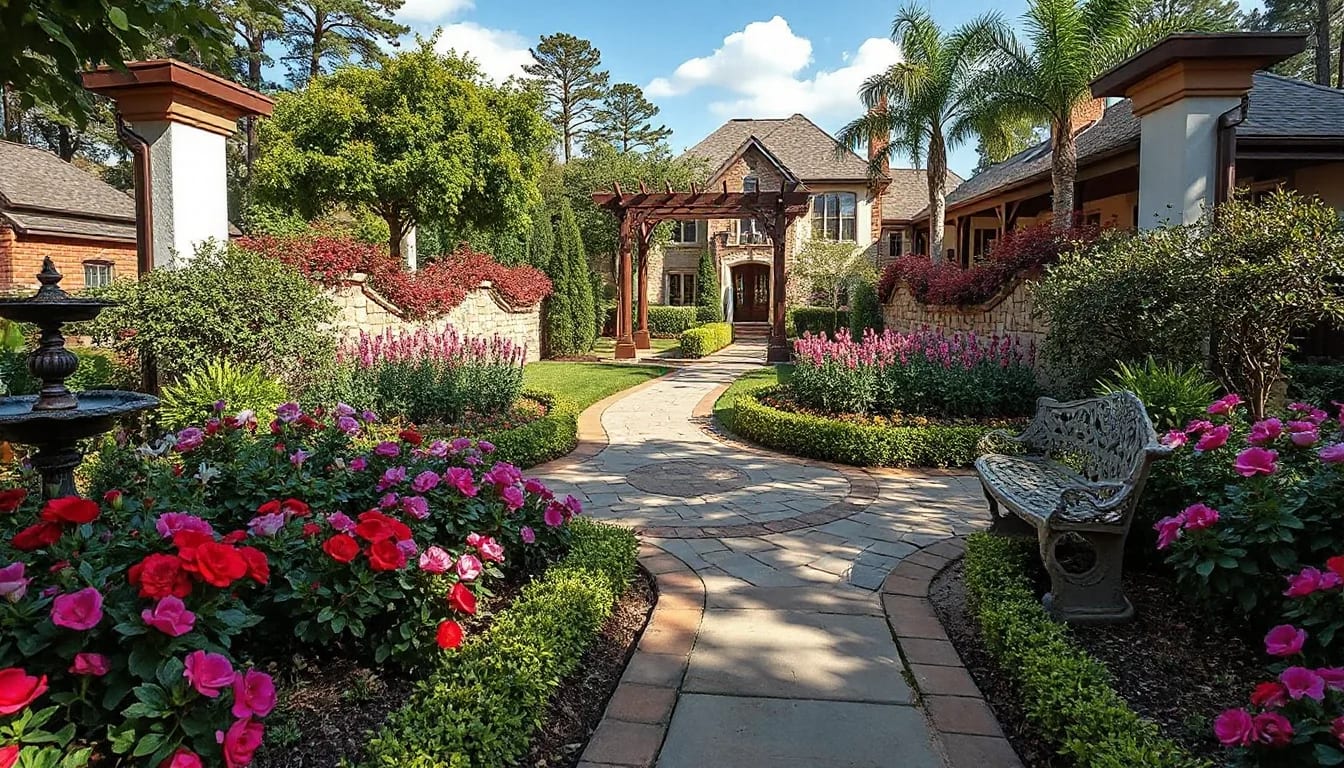
Pricing a home well in Arabi is not about guessing high and hoping for the best. The right number can increase showing activity, strengthen buyer interest, and improve your odds of receiving solid terms early in the listing period. This guide breaks down how to balance local comparable sales, current competition, and property condition so your home enters the market with momentum.
Start With the Market You Actually Have
Many sellers begin with a number they would like to receive, but the stronger approach is to study the market as it exists today. In Arabi, pricing strategy should reflect recent closed sales, active listings that buyers are comparing side by side, and homes that sat too long without strong response. A list price is not just a number on a screen; it is a signal that tells buyers whether they should book a showing immediately, wait, or move on to another option.
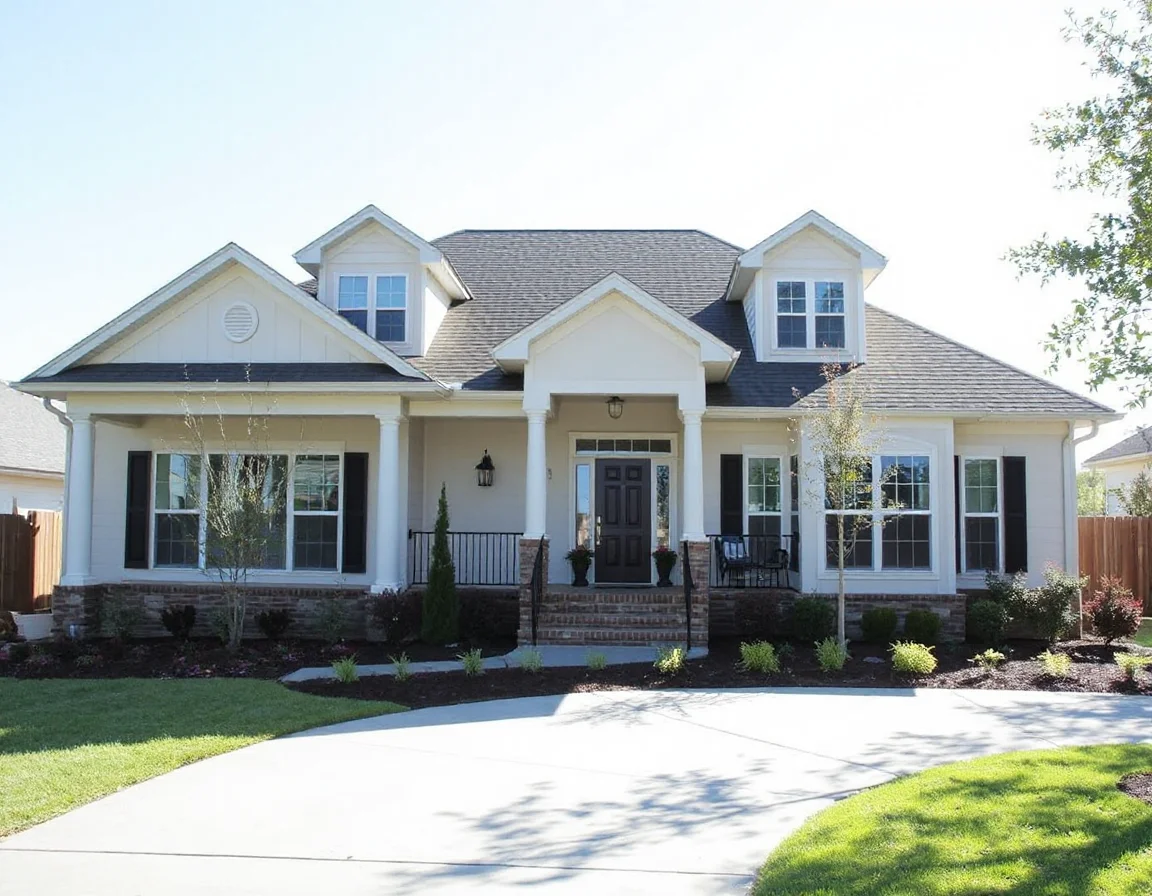
That is why comparable sales matter so much. The most useful comps are homes with similar square footage, lot size, condition, age, and location features that have sold recently. A renovated cottage with updated systems may compete in a different range than a home with similar dimensions that still needs major work. Buyers notice those differences quickly, and the market usually prices them in.
It also helps to separate emotional value from market value. The upgrades you chose, the care you put into the property, and the memories created there are meaningful, but buyers will still compare your home against what else is available. A well-priced listing invites more attention because it feels grounded, credible, and easier to act on.
The first week on the market often sets the tone for the entire sale. Strong pricing from day one can generate better traffic than a later price reduction after buyer interest has cooled.
Why Overpricing Can Cost More Than It Gains
It is tempting to price above market “just to see what happens,” especially when inventory feels limited or a seller wants room to negotiate. But overpricing often has the opposite effect. Buyers searching online tend to compare by price bracket, and an inflated list price can push a home into a category where it no longer looks competitive. If the home appears expensive relative to nearby alternatives, some buyers may skip it before ever scheduling a visit.
The longer a listing sits, the more questions it can raise. People may wonder whether the condition is different than expected, whether the seller is flexible, or whether a better opportunity exists nearby. Even a later reduction may not fully restore the urgency that comes with a fresh listing. In many cases, a realistic launch price creates more leverage than a high opening number followed by repeated cuts.
Pricing too low can also be a concern, but underpricing is usually easier to evaluate because it tends to produce immediate attention. The bigger challenge is finding the range where the home feels attractive without leaving obvious value behind. That balance comes from data, preparation, and a clear read on how buyers are behaving right now in the local market.
Condition, Presentation, and Price Work Together
A price is never judged in isolation. Buyers respond to the full package: photos, condition, maintenance level, updates, and how the home feels compared with competing listings. If a property is beautifully prepared with clean finishes, strong curb appeal, and clear documentation of recent improvements, it may justify a stronger price position than a similar home that feels less move-in ready.
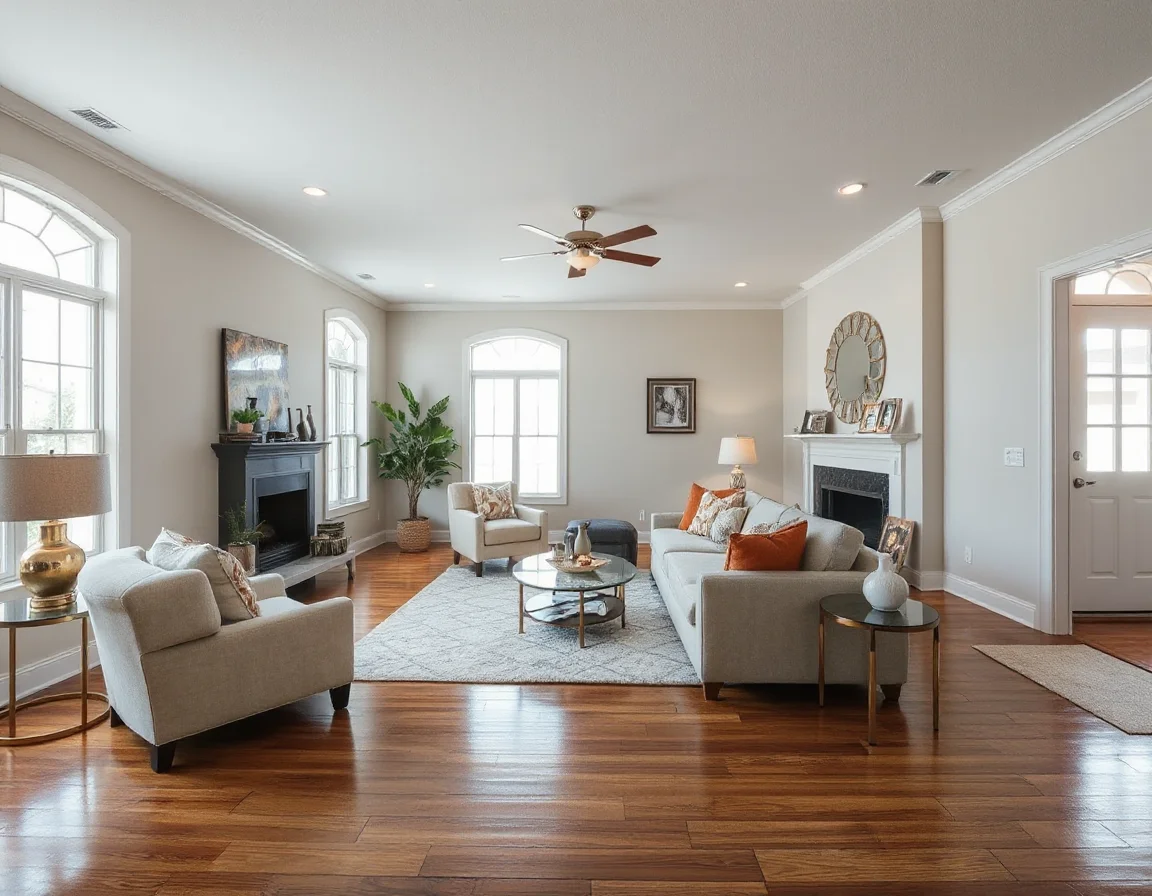
That does not always mean a full renovation is necessary. Often, smart pre-listing work has a strong payoff: touch-up paint, decluttering, lighting improvements, landscaping cleanup, and minor repairs that remove obvious distractions. Buyers tend to calculate needed work quickly, and even small deferred maintenance items can influence how they view the asking price.
In Arabi, homes with distinctive architectural details or appealing outdoor space may draw strong interest when those features are presented clearly. But distinctive is not the same as unlimited. Unique charm still needs to be supported by nearby sales and current buyer expectations. Pricing should account for special features while staying anchored to what the market has recently rewarded.
Presentation can protect pricing power. When a home looks cared for online and in person, buyers spend less time subtracting for repairs and more time considering the overall opportunity.
Another key point is timing. A seller who prepares the home before listing often has more control over pricing than one who lists quickly and tries to adjust later. The better the launch, the more likely buyers are to see the home as a serious contender rather than a project with questions attached.
Use Active Competition, Not Just Closed Sales
Closed sales tell you where the market has been, but active listings show what buyers are choosing among today. If several homes in and around Arabi offer more updates, larger lots, or more flexible layouts at similar prices, your list price must account for that reality. Buyers rarely evaluate one property alone; they compare options in real time.
Pending sales can also offer clues, even when final numbers are not public yet. If homes that are well presented and properly priced are going under contract quickly, that can suggest strong demand at certain price points. If inventory is building and days on market are stretching, pricing may need to be sharper to stand out.
Seasonality matters too, although it should not override the numbers. Buyer activity can rise and fall across the year, and mortgage rate changes can quickly alter affordability. A thoughtful pricing strategy looks beyond headlines and focuses on how current conditions affect actual decisions in your immediate market area.
Price for Attention, Not Just Negotiation
The strongest pricing strategy often aims to create attention early, because attention creates options. More showings can lead to better feedback, stronger offers, and cleaner terms. A home that enters the market in the right range has a better chance of being perceived as a new opportunity rather than a listing that buyers feel they can revisit later.
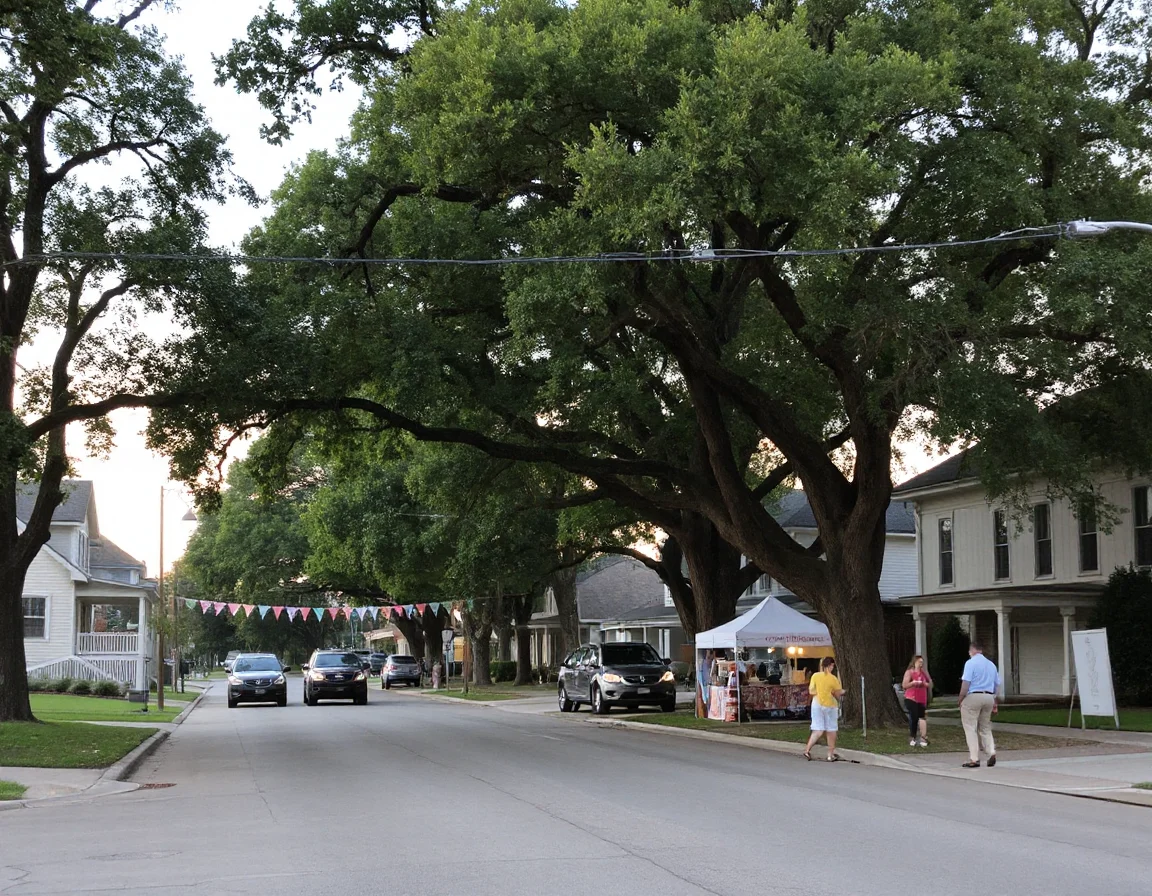
This is especially important when buyers are watching value closely. If your home enters the market aligned with recent evidence and current competition, it is easier for buyers to justify a prompt offer. If it enters above where the market sees it, even interested buyers may wait to see whether the price changes.
A smart seller also plans for the likely negotiation path. That means understanding the floor you are willing to accept, the terms that matter most, and how pricing affects each of those goals. Sometimes the best result is not simply the highest offer amount, but the combination of price, timing, financing strength, and inspection expectations that best fits your next move.
In the end, pricing a home for a strong sale in Arabi comes down to discipline. Know the comps, know the competition, prepare the home well, and choose a number that encourages action. A thoughtful launch can make the difference between chasing the market and leading it.