

Flood insurance can shape both your monthly housing cost and your buying timeline in Arabi, so it helps to understand it before you fall in love with a property. This guide breaks down how flood zones, elevation, policy quotes, inspections, and lender requirements connect during a home search. A little prep up front can make comparing homes much clearer and help you avoid surprises before closing.
Why flood insurance comes up early in Arabi home searches
In Arabi, flood insurance is not an afterthought that gets handled only a few days before closing. It often becomes part of the conversation as soon as buyers start comparing neighborhoods, home elevations, and monthly payment ranges. Because the area sits near the Mississippi River and has a long history of storm and water-related risk, insurance details can influence affordability just as much as taxes, interest rates, and maintenance needs.

That does not mean every home carries the same level of cost or the same insurance requirement. One property may be elevated, recently updated, and positioned more favorably on its flood documentation, while another a few blocks away may have a very different quote. For that reason, buyers who treat flood insurance as part of the full housing budget tend to make stronger comparisons between homes and write offers with more confidence.
It also helps sellers. When a listing includes clear information about current flood coverage, elevation certificates if available, and past mitigation work, it gives buyers a more complete picture of ownership costs. In a market where practical details matter, transparent preparation can keep a transaction moving.
Two homes with similar asking prices can produce very different monthly ownership costs once insurance is added. In Arabi, asking for flood documents early can save time and sharpen your home search.
What buyers should review before making an offer
The first step is to ask whether the home is in a FEMA flood zone and whether the current mortgage lender requires flood insurance. If financing is involved, the lender usually determines whether coverage is mandatory based on the property’s location and flood maps. Even when coverage is not required, some buyers still choose to carry it because water risk does not stop at the edge of a mapped zone.
Next, ask for the current flood insurance declaration page if the seller is willing to share it. This can provide a useful snapshot of present coverage and cost, although a new owner’s premium may not match the seller’s exactly. Buyers should also ask whether an elevation certificate exists, whether the home has had substantial renovations, and whether there are records of claims, repairs, or drainage improvements. Those details can affect underwriting and pricing.
Another smart move is getting an insurance quote during the inspection period, not at the very end of the transaction. A quote gives real numbers to plug into the budget and can help a buyer decide whether a property still makes sense alongside competing options. Waiting too long can add avoidable stress when loan approval and closing deadlines are already tight.
How elevation, improvements, and documentation affect cost
Flood insurance pricing is not based on one simple factor. Insurers may consider flood zone, elevation relative to base flood elevation, foundation type, enclosure details, building characteristics, and available documentation. In practical terms, that means two homes with similar square footage can land at very different premium levels.
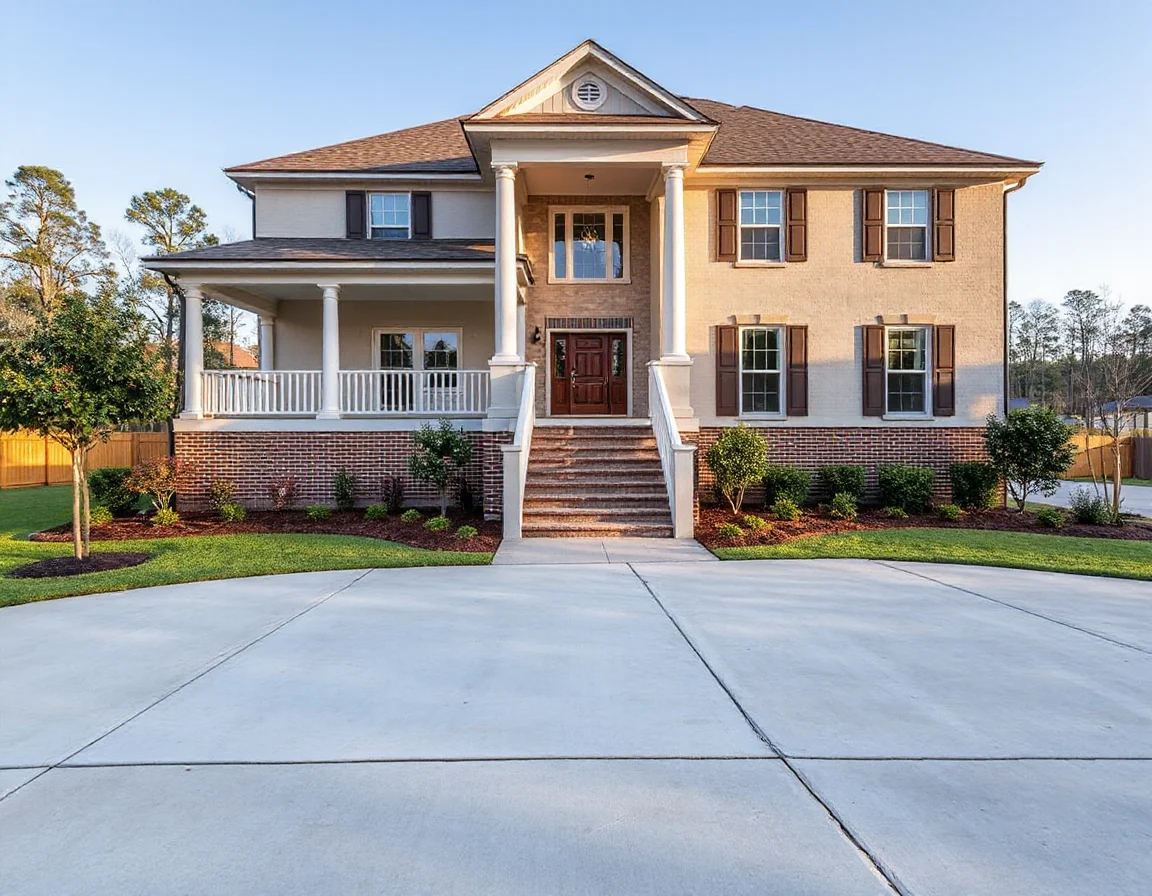
Raised homes often attract attention in Arabi because elevation can matter both functionally and financially. Buyers may notice features such as elevated living spaces, utility placement, flood vents, or site drainage patterns. None of these should be viewed in isolation, but together they help tell the story of how a property has been built or adapted over time.
Documentation can be just as important as the physical features themselves. If the seller has an elevation certificate, receipts for mitigation work, or records of major system updates, those items may help the insurance agent provide a more accurate quote. Without documentation, a buyer might receive a less precise estimate at first and need additional follow-up before binding a policy.
When comparing homes, it helps to create a side-by-side worksheet with principal and interest, taxes, homeowners insurance, flood insurance, and expected maintenance. That approach makes it easier to evaluate a lower list price that comes with higher insurance costs versus a higher list price that may be more efficient to own month to month.
An elevation certificate is not required for every purchase, but when available it can be one of the most useful documents in the file. It often gives buyers and insurers a clearer baseline for pricing.
Questions to ask about a property’s history
Buyers in Arabi should be comfortable asking detailed, factual questions about a home’s condition and history. A good starting list includes whether the property has experienced flooding, when any water intrusion occurred, what repairs were completed, and whether permits were pulled for major work. It is also worth asking about roof age, HVAC location, drainage patterns on the lot, and whether the crawlspace, lower level, or storage areas have added protections in place.
These questions are not about ruling out homes automatically. They are about understanding the full picture. Some properties have had thoughtful upgrades after past storm events, and those improvements can be meaningful. Others may need additional work, which should be reflected in your budget and expectations before you move forward.
Inspection professionals and insurance agents each see different parts of the puzzle. An inspector may identify grading issues, moisture concerns, or deferred maintenance, while an insurance agent can explain how those conditions do or do not connect to available coverage. Using both perspectives gives buyers a more informed view than relying on the listing sheet alone.
Talk with a local real estate professional
How to build flood insurance into your home shopping strategy
The most effective way to shop in Arabi is to treat flood insurance as part of the search criteria from day one. If you have a target monthly payment, reserve room in that number for a realistic insurance estimate. If you are deciding between several homes, ask for insurance information as early as possible so you can compare actual ownership costs rather than just list prices.
It is also wise to line up your lender and insurance contacts early. That way, when a strong listing appears, you can move quickly on the quote process instead of scrambling during the contract period. Fast, organized buyers often have an easier time meeting deadlines for financing, inspections, and final underwriting.
For sellers and listing agents, the lesson is similar: make information easy to access. A well-prepared file with current policy information, past mitigation details, and useful property records can help buyers make cleaner decisions. In a market where water risk is part of the real conversation, clarity is a competitive advantage.
Arabi continues to attract buyers who appreciate its architecture, proximity to New Orleans, and distinct sense of place. The key is to approach the market with practical questions and a complete budget. When flood insurance is understood early, buyers can focus less on last-minute surprises and more on choosing the property that best fits their goals.