
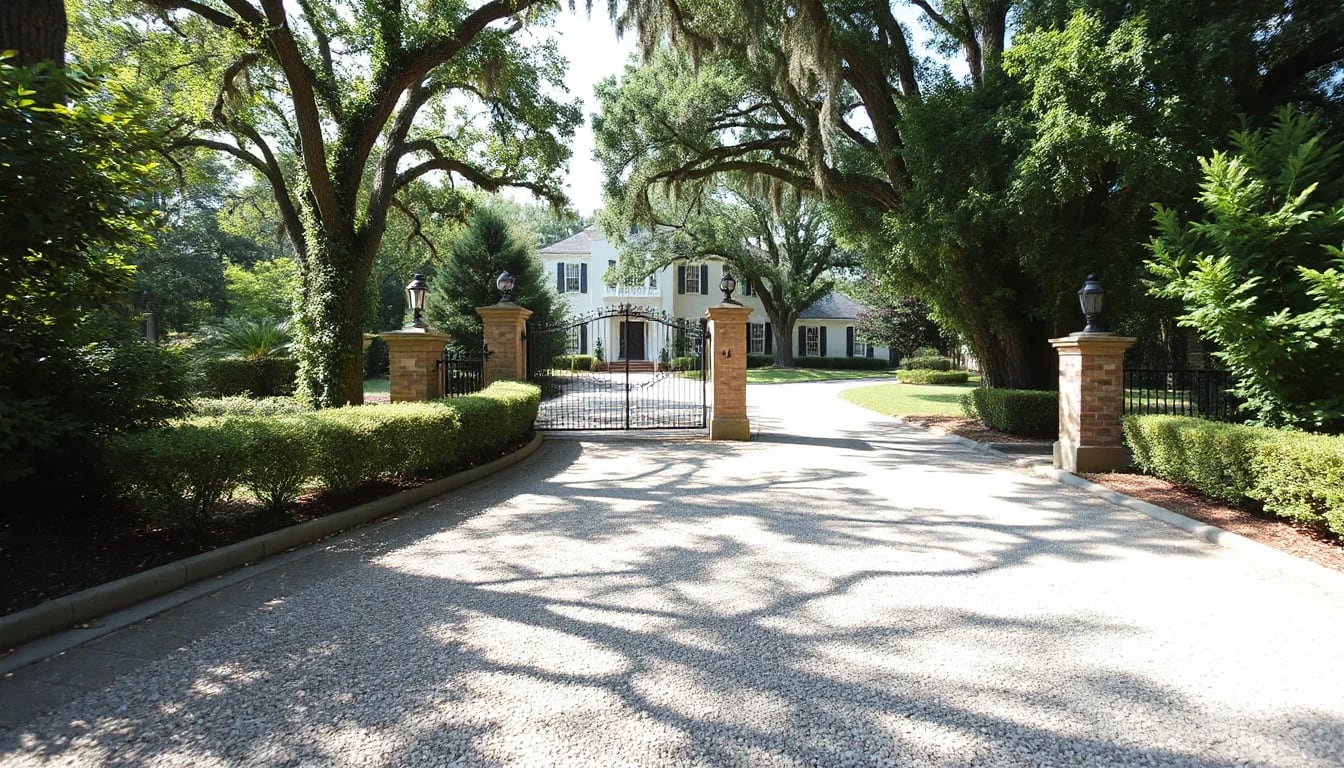
Buying a first home in Pearl River is easier to approach when the process is broken into practical decisions: budget, financing, home search, inspections, and closing. This guide explains what to prepare, which questions to ask, and how to move from browsing listings to receiving keys with fewer surprises.
Start With a Budget That Feels Sustainable
Before touring homes, take time to define what a comfortable monthly payment means for your household. The purchase price is important, but it is only one part of the picture. A complete housing budget can include principal and interest, property taxes, homeowners insurance, possible flood insurance, mortgage insurance when applicable, HOA dues, utilities, and routine maintenance.
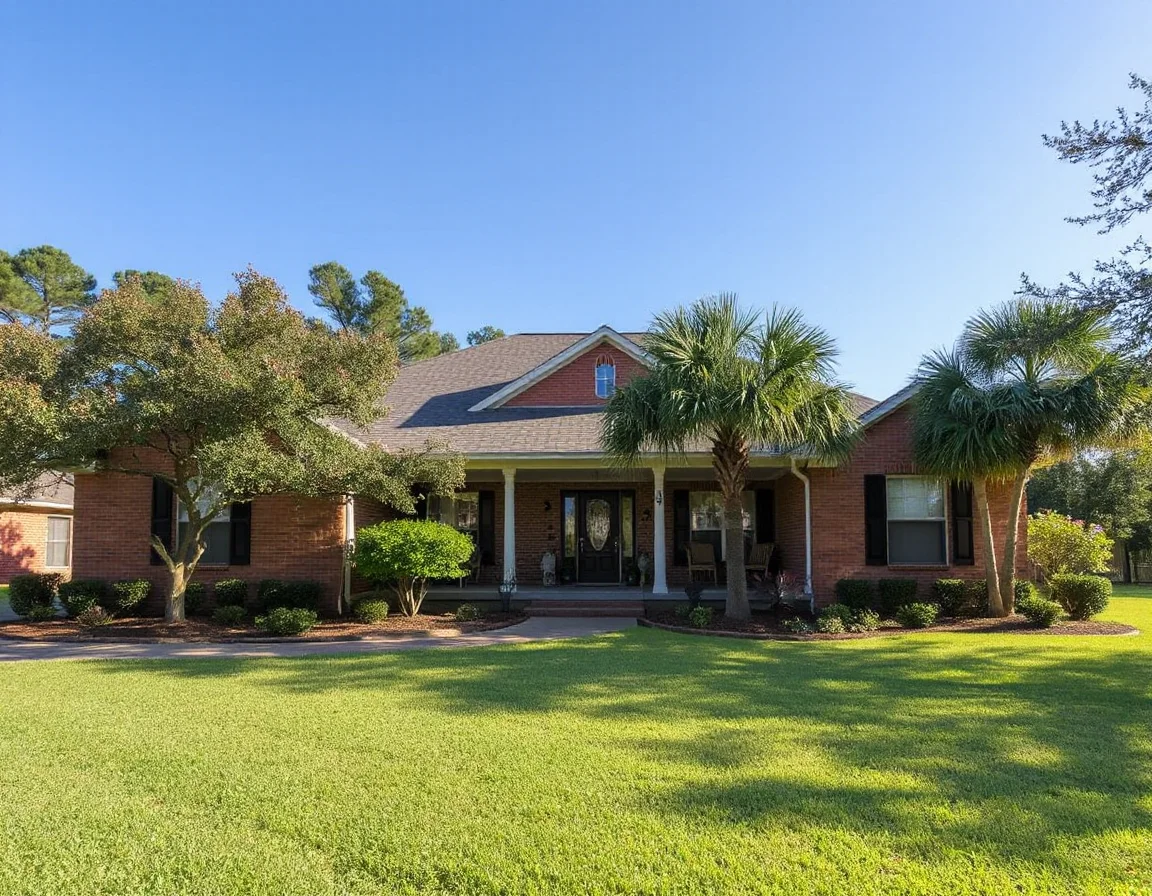
A useful starting point is to look beyond the maximum amount a lender may approve. Review recent bank statements, recurring expenses, savings goals, and likely costs after move-in. Leave room for furniture, appliances, repairs, and the ordinary expenses that come with settling into a new address. A payment that supports your broader financial plans can make homeownership feel more manageable over time.
For Pearl River properties, buyers should also ask early about insurance availability and estimated premiums. Flood-zone designations, elevation information, roof age, wind coverage, and property condition can all affect the final insurance picture. Requesting these details while evaluating a home can help you compare properties on a more complete basis rather than focusing only on the list price.
A home with a lower asking price is not always the lower-cost option. Comparing estimated taxes, insurance, HOA fees, and anticipated repairs side by side can clarify the real monthly and upfront commitment.
It also helps to separate funds for the down payment from funds for closing costs and post-closing reserves. Depending on the loan program and the transaction, buyers may have options for seller concessions or assistance programs, but those possibilities should be confirmed with a lender and written into the purchase strategy rather than assumed.
Get Pre-Approved Before You Get Attached
A pre-approval gives your search structure. It is more detailed than a quick online estimate because a lender reviews financial documentation, discusses loan options, and provides an indication of the amount and terms you may qualify for. It also helps a seller see that an offer is supported by a buyer who has already started the financing process.
Gather commonly requested documents in advance: recent pay information, tax returns or other income records, bank statements, identification, and information about outstanding debts or large deposits. If you are self-employed, receive variable income, or expect a gift toward the purchase, ask what additional documentation may be needed. Addressing questions early can prevent last-minute delays after an offer is accepted.
When comparing lenders, look at more than the interest rate. Ask about the loan type, annual percentage rate, estimated cash to close, rate-lock timing, underwriting schedule, mortgage insurance, and any lender fees. The best fit is the loan that aligns with your finances, timeline, and comfort level after all of the terms are considered.
Learn how to choose a mortgage lender
Build a Focused Pearl River Home Search
Once you know your target range, turn preferences into a clear list. Start with essentials such as location, number of bedrooms, number of bathrooms, lot size, layout, parking, condition, and commute considerations. Then make a second list of features that would be welcome but are not required. This distinction can make touring decisions faster when inventory changes.

Pearl River offers a mix of property styles and lot configurations, so it is worthwhile to consider how each home functions day to day. During a showing, pay attention to storage, natural light, room flow, exterior drainage, electrical panels, windows, roof condition, and outdoor maintenance needs. Bring a notebook or use a consistent phone checklist; after several tours, details can blend together.
Location research should be based on objective information that matters to you. Review travel routes at the times you typically use them, check public records and maps, observe nearby amenities, and verify utility providers or internet options. If a property is near water or in a flood-prone area, ask for available elevation certificates, prior flood information, and insurance quotes as part of your due diligence.
It is also smart to watch the market rather than rush to judge a listing by one number. Look at how long a home has been available, whether there have been price adjustments, how its condition compares with similar homes, and what recent nearby sales suggest. Your agent can help interpret these details and develop an offer that reflects both the property and current market conditions.
Write an Offer With the Right Protections
When you find a home that meets your priorities, the offer is where preparation becomes especially valuable. Price matters, but so do financing terms, earnest money, closing date, inspection periods, requested concessions, and contingencies. These terms shape how the transaction proceeds and can affect the seller’s response.
For many first-time buyers, an inspection contingency is a central safeguard. A professional home inspection is an opportunity to understand the property’s systems and condition. Inspectors may identify issues related to roofing, HVAC equipment, plumbing, electrical components, foundation conditions, drainage, appliances, or visible moisture. No home is perfect, and the goal is not necessarily to produce a zero-item report; it is to understand the findings, their likely significance, and your available options.
Consider additional inspections when appropriate. Depending on the property, buyers may choose specialists for septic systems, wood-destroying insects, structural concerns, pools, wells, or other features. Loan requirements and insurance underwriting can also create additional documentation needs. Keep your deadlines in a shared calendar and respond promptly to requests from the lender, title company, insurer, and inspector.
Plan for the Final Stretch and the First Month
After contract acceptance, the work becomes more detailed. Your lender orders an appraisal, underwriting reviews your file, title work begins, and insurance coverage must be arranged. Avoid opening new credit accounts, changing jobs without consulting your lender, moving large sums of money without documentation, or making major purchases that could affect your debt-to-income ratio before closing.
In the days before closing, review the Closing Disclosure carefully. Compare the cash-to-close figure with earlier estimates, confirm the loan terms, and ask questions about any line item that is unclear. You will also have a final walk-through, usually shortly before closing, to verify that the property is in the agreed condition and that negotiated repairs or included items are addressed.
Closing day is not the end of planning; it is the start of caring for the home. Save inspection reports, warranties, repair invoices, and closing documents in one accessible place. Change locks if desired, learn the location of water shutoffs and electrical panels, establish a maintenance calendar, and set aside a modest reserve for the first unexpected repair. These practical steps help new owners settle in with a clearer sense of control.
Buying a first home in Pearl River, LA is a meaningful financial decision, but it does not have to be mysterious. With a realistic budget, thoughtful financing questions, careful property research, and a well-managed contract, you can move through each stage with greater confidence and make decisions based on the details that matter most to you.