
An inspection period is one of the most important windows in a New Orleans purchase contract: it is the time to learn how the property is performing, clarify repair needs, and make decisions with solid information. A clear timeline, the right specialists, and organized follow-up can help keep this stage focused instead of frantic.
Why the Inspection Timeline Matters
Once a purchase agreement is accepted, the calendar starts moving quickly. The inspection period is the buyer’s designated opportunity to evaluate the home, review findings, and decide how to proceed under the terms of the contract. In New Orleans, that process can involve more than a general home inspection because local housing stock, humid conditions, heavy rainfall, aging infrastructure, and varied construction styles can all create questions worth investigating.
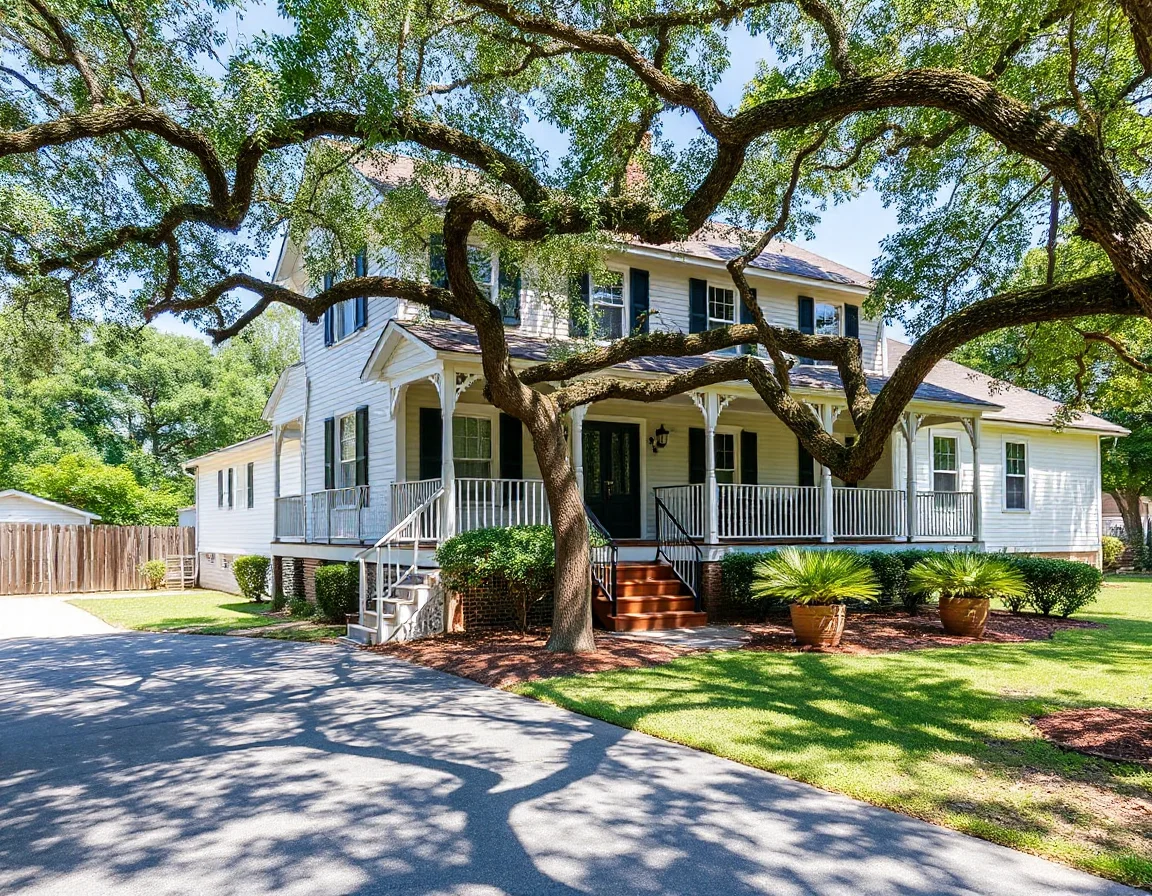
A general inspection offers a broad visual review of accessible systems and components. It commonly addresses the roof, exterior, foundation observations, electrical panel, plumbing fixtures, heating and cooling equipment, interior surfaces, attic areas, and visible signs of moisture. It is not a guarantee that every condition will be discovered, but it gives buyers a practical starting point for understanding the property as it stands today.
The timeline in the contract should be read carefully from day one. Deadlines may govern when inspections must be completed, when repair requests must be submitted, and when a buyer must notify the seller of next steps. Missing a date can reduce options, so it helps to place every deadline on a shared calendar as soon as the agreement is signed. Your real estate professional can help explain the contract process, while inspectors and licensed specialists provide the technical observations needed to make informed choices.
Scheduling the general inspection as early as possible creates room for specialty evaluations, repair negotiations, document review, and thoughtful decisions before the contractual deadline arrives.
It is also useful to remember that an inspection report is not a to-do list that must be solved in one day. Reports often include a mix of routine maintenance items, deferred upkeep, safety-related concerns, and larger questions requiring more evaluation. The goal is to separate ordinary ownership responsibilities from material issues that may affect the transaction, budget, or future planning.
Build a Practical Inspection Schedule
A well-managed inspection period begins with prompt scheduling. As soon as the contract is fully executed, arrange the general inspection and confirm the expected delivery time for the report. Many inspectors provide reports quickly, but availability can vary, especially after major weather events or during active market periods. Booking early gives the process more flexibility and reduces the risk of trying to fit several appointments into the final days of the contingency window.
After the general inspection, review the report methodically. Start with items that involve water intrusion, structure, electrical concerns, active plumbing leaks, roof conditions, drainage, or systems nearing the end of their service life. Next, note maintenance items that are manageable but still relevant to your future budget. Taking this approach makes the conversation less overwhelming and helps prioritize what needs a closer look.
- Confirm the inspection deadline and any notice requirements in the purchase agreement.
- Attend the general inspection when possible and ask the inspector to explain key findings.
- Request specialty evaluations quickly when the report recommends them.
- Keep estimates, inspection reports, photographs, and contractor notes in one place.
- Allow time to discuss repair requests, credits, or other possible resolutions before the deadline.
Specialty inspections are not automatically required for every property, but they can be valuable when the general inspection identifies a concern or when a particular system deserves closer review. Depending on the home, buyers may consider evaluations for sewer lines, foundation conditions, roof performance, HVAC equipment, pests, mold-related conditions, pools, chimneys, or electrical systems. A licensed professional in the relevant field can explain the scope of a problem, possible repairs, and estimated costs more precisely than a general inspection alone.
For example, older homes may have plumbing configurations or electrical components that merit a specialist’s opinion. Properties with yards, patios, or low-lying exterior areas may benefit from closer attention to drainage and water flow. These evaluations are not about expecting perfection; they are about identifying conditions that should be understood before closing.
What to Watch for in New Orleans Homes
New Orleans architecture is one of the city’s most recognizable strengths, from raised cottages and Creole-influenced details to brick homes, renovations, and newer construction. That variety also means inspection findings can differ widely from property to property. Age alone does not determine condition, and a newer home can still have maintenance needs. The value of the inspection is in evaluating the specific house, its systems, and its documented history.
Moisture management often deserves close attention in this climate. Inspectors may note grading, gutters, drainage patterns, exterior seals, attic ventilation, roof penetrations, or signs of prior water exposure. Ask direct questions: Is the condition active or historical? What evidence supports that conclusion? Does a specialist need to assess it? Are there maintenance steps that could reduce future risk? Clear answers are more useful than broad assumptions.
Insurance-related details may also become part of the timeline. Buyers should communicate with an insurance professional early enough to understand available coverage, documentation needs, and any property-specific questions. Depending on the home and the lender, reports or additional information may be requested before closing. Starting those conversations early can prevent last-minute surprises and give everyone time to gather records or seek clarification.
When reviewing roof, HVAC, electrical, or plumbing findings, it helps to distinguish between “functional today,” “approaching replacement,” and “needs repair now.” A system can be operating at the inspection while still being near the end of its typical service range. That does not necessarily derail a purchase, but it is useful information for planning ownership costs after closing.
The most productive repair discussions focus on documented conditions, licensed specialist input, and a clear connection to the property—not on cosmetic preferences or assumptions about future renovations.
Turn the Report Into a Clear Decision
Inspection reports can be lengthy, especially for homes with many systems or decades of updates. Rather than reacting to every notation at once, make a short priority list. Group findings into immediate health or safety concerns, significant repair or replacement needs, conditions requiring a specialist, and routine maintenance. This format creates a useful roadmap for conversations with your agent, lender, insurer, and contractors.
If a repair request is appropriate under the agreement, submit it clearly and on time. Include the relevant report pages, concise descriptions of the concern, and any specialist recommendations or estimates available. Specific documentation helps all parties understand what is being requested and why. Sellers may agree to repairs, offer a credit, propose another solution, or decline a request; the contract and inspection contingency shape the available next steps.
Buyers should also think ahead to final verification. If repairs are agreed upon, retain invoices, warranties, permits when applicable, and any documentation showing who completed the work. A final walk-through before closing is an opportunity to confirm the property’s visible condition and review agreed-upon repairs, but it is not a substitute for completing inspections and negotiations within the original timeline.
A confident inspection process is less about finding a flawless property and more about gaining enough reliable information to move forward deliberately. With early scheduling, realistic expectations, and careful attention to contractual deadlines, buyers can use this period to understand a New Orleans home in practical detail and make the next decision with clarity.