
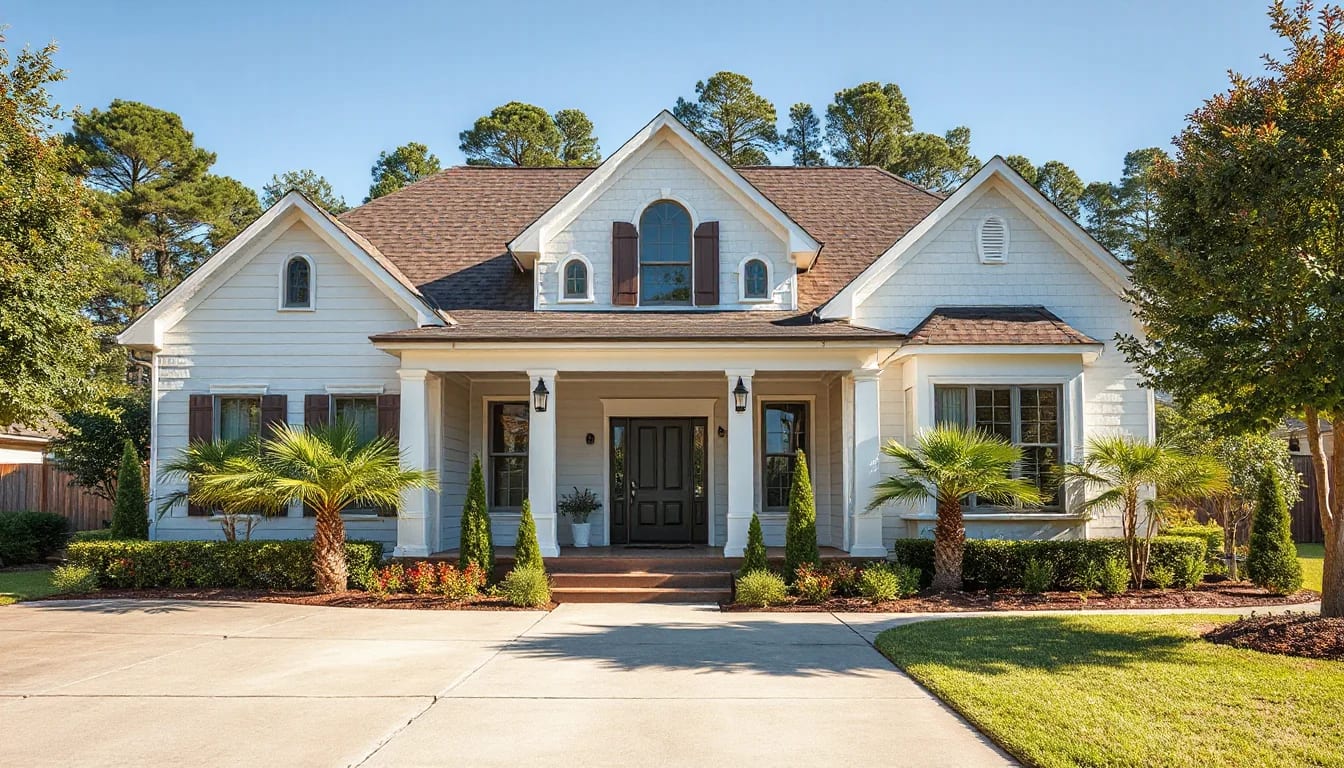
A home purchase in Violet is more than a monthly payment: it is a long-term decision shaped by location, upkeep, financing, insurance, and the flexibility of the property itself. Looking beyond the listing price can help buyers build a clearer picture of potential value over time and make decisions with greater confidence.
Start With the Full Cost of Ownership
When assessing long-term return on investment for a home in Violet, LA, the purchase price is only the starting point. A thoughtful analysis considers the total cost of owning the property, including the mortgage, property taxes, homeowners insurance, flood insurance when applicable, utilities, maintenance, and future repairs. These expenses do not eliminate the value of homeownership, but they should be part of the plan from day one.
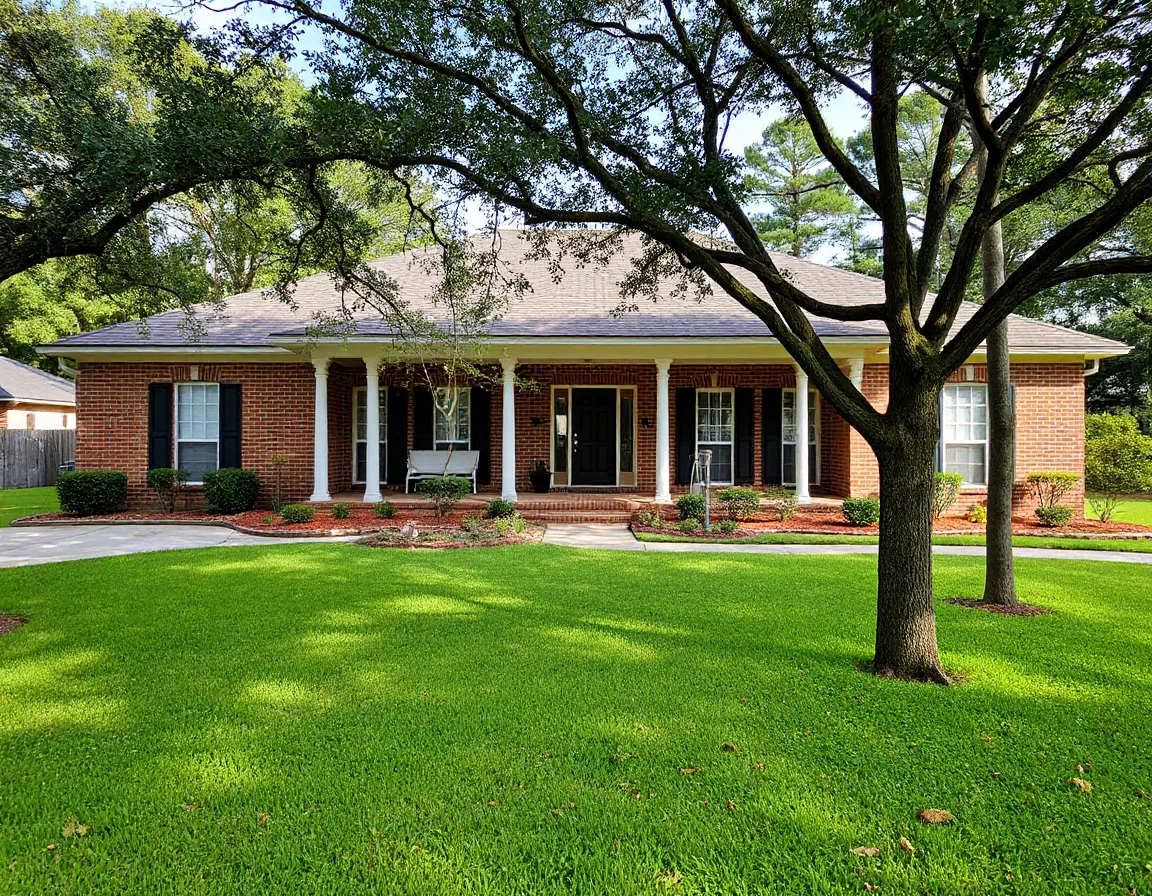
Think in years rather than seasons. Closing costs, moving expenses, and the early years of mortgage interest can make a short ownership period more expensive than buyers expect. Staying long enough for principal reduction, potential appreciation, and improvements to matter can create a more favorable outcome. The exact timeline varies with the purchase terms and the broader market, but a multi-year horizon usually provides more room for a home’s financial benefits to develop.
It also helps to separate predictable costs from uncertain ones. Principal and interest may be straightforward to estimate with a fixed-rate mortgage, while insurance premiums, repair needs, and property taxes can change. For homes in southeast Louisiana, reviewing flood-zone information, elevation details, drainage features, wind coverage, deductibles, and insurance quotes before making an offer is an important part of evaluating the real carrying cost of a property.
A strong ROI estimate uses a realistic monthly ownership budget, not just a purchase-price target. Include an annual maintenance reserve so routine repairs do not become a surprise expense.
Buyers can also compare different loan structures before deciding what feels sustainable. A lower rate, a larger down payment, or a shorter loan term may change the long-term cost significantly, even if the monthly payment looks similar at first glance. The best choice is not automatically the one with the lowest payment; it is the option that aligns with cash reserves, anticipated ownership length, and comfort with ongoing expenses.
Location Details That Can Support Value
Violet offers a distinctive position in St. Bernard Parish, with access to the wider New Orleans metropolitan area while maintaining a more residential setting. For a long-term buyer, location analysis should focus on practical, observable factors: routes to employment centers, access to daily services, nearby recreation, road conditions, public infrastructure, and the condition of surrounding properties. These details influence how a home functions today and how future buyers may evaluate it later.
Rather than trying to predict every market shift, look for features that remain useful across changing preferences. A sensible layout, adequate storage, off-street parking, durable exterior materials, functional outdoor space, and a location with straightforward access to regional destinations can all broaden a property’s appeal. Homes that solve everyday needs tend to remain relevant even as design trends evolve.

Local market value is also affected by the property’s individual characteristics. Two nearby homes may have very different long-term prospects because of lot size, condition, elevation, roof age, flood history, renovation quality, or maintenance records. A well-documented property can be easier to evaluate and market later. Keeping receipts, permits, warranties, inspection reports, and service records may not feel exciting, but those files can be useful evidence of care when it is time to sell.
Pay attention to resilience as well as appearance. In this region, practical improvements may include roof maintenance, storm-rated features where appropriate, efficient drainage, secure outdoor equipment, and carefully selected materials that perform well in humidity and heavy rain. These projects can protect the home’s condition while also helping an owner avoid deferred maintenance that can reduce resale leverage.
The most valuable improvements are often the ones buyers cannot immediately see: a maintained roof, documented systems service, effective drainage, and clear records of completed work.
Use Improvements Strategically
Renovation can contribute to long-term value, but it is rarely a dollar-for-dollar formula. Before beginning a major project, consider whether the improvement enhances function, reduces future maintenance, or brings the home closer to the condition and features commonly found in comparable properties. A refreshed kitchen, updated bath, improved lighting, repaired flooring, and neutral interior finishes may help a home show more clearly, but the scope should remain appropriate for the property and local market conditions.
For many owners, maintenance is the first renovation priority. Addressing water intrusion, aging mechanical systems, outdated electrical components, worn exterior surfaces, or damaged trim protects the home’s foundation of value. Cosmetic updates can follow. This order may not produce the most dramatic before-and-after photographs, but it can prevent a manageable issue from becoming a costly project later.
Energy efficiency can be another useful lens. Insulation, HVAC maintenance, window and door sealing, efficient appliances, and smart temperature controls may improve daily comfort and help manage operating costs. Before investing, ask for estimates, understand expected maintenance requirements, and retain all installation documentation. A project that is practical, durable, and clearly documented can be easier for future buyers to understand.
It is equally important to avoid over-improving solely for resale. Personal enjoyment has value, and owners should make their homes work for their lives. Still, if return on investment is a central goal, compare renovation budgets against nearby sales, current competition, and the home’s overall condition. A local real estate professional can help frame that conversation with current comparable-property data rather than assumptions.
Measure ROI With More Than Appreciation
Home appreciation is often the first number people mention, but it is only one piece of the return. Equity growth can come from loan principal payments, while a stable housing payment may offer planning advantages compared with a changing rental market. Owners may also benefit from the use and enjoyment of the property over time, though those benefits are personal rather than guaranteed financial returns.
A simple annual review can keep the bigger picture in focus. Note the remaining mortgage balance, update insurance and tax estimates, track completed repairs, review local comparable sales, and revisit goals for the next three to five years. This process does not require predicting the market perfectly. It simply makes it easier to see whether the property still supports your priorities and what actions may protect its condition and value.
Long-term ROI in Violet is ultimately built through informed buying, disciplined maintenance, sensible financing, and patience. A home with a manageable ownership budget and enduring practical features can offer more than a place to live—it can become a well-cared-for asset shaped by clear decisions over time. Before moving forward, gather the property-specific details, ask direct questions, and build a plan that leaves room for both the expected costs and the unexpected ones.