

Insurance can change the monthly cost of a Slidell home just as surely as the purchase price or mortgage rate. Buyers should get property-specific homeowners and flood insurance quotes early, while sellers can help by gathering information about the home’s roof, improvements, and coverage history. Knowing what to ask before an offer or closing can prevent costly surprises.
Why insurance belongs in the Slidell home budget
A home’s list price is only one piece of the financial picture. In Slidell, Louisiana, buyers also need to consider the cost of protecting a property from risks such as wind and flooding. Premiums and coverage can vary substantially from one address to another, so a neighbor’s bill or an online estimate is not a substitute for a quote on the home you are considering.
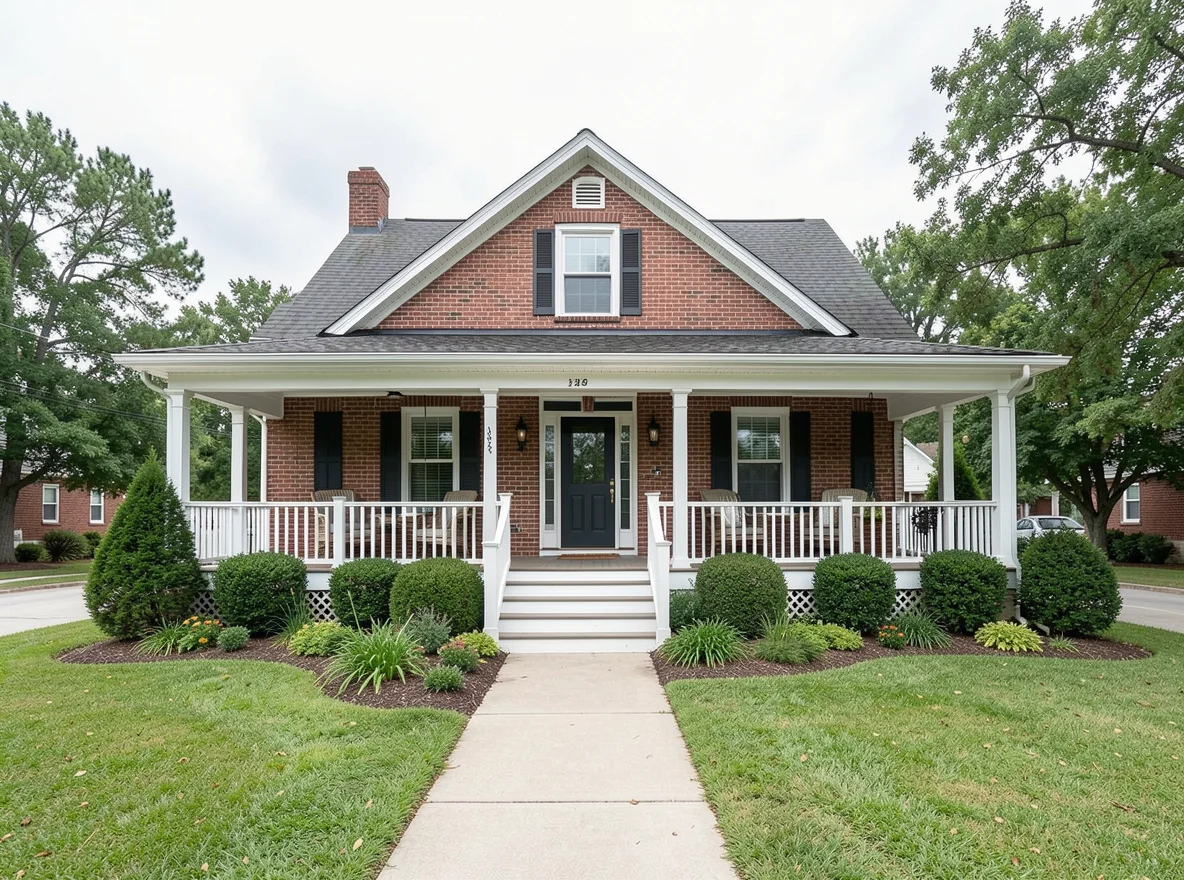
For buyers using a mortgage, the lender generally requires homeowners insurance and may collect the premium as part of an escrow payment. Depending on the property and loan, flood insurance may also be required. Even when a separate policy is not mandatory, it is worth discussing the risk and coverage options with an insurance professional.
The details matter as much as the premium. A lower annual price can come with a higher deductible, a narrower range of covered losses, or less coverage for rebuilding. Ask for the full policy details before comparing two quotes, and include the expected insurance expense alongside principal, interest, property taxes, and any association dues.
Ask for quotes on the specific property before the end of your inspection or due-diligence period, if your contract provides one. That gives you time to weigh the cost while you still have options under the agreement.
Insurance is also part of the selling conversation. A buyer who discovers a much higher-than-expected premium late in the process may need to reconsider the budget or financing. Having reliable property information ready can make it easier for everyone to get useful answers sooner.
What homeowners insurance may cover—and what to check
A homeowners policy typically addresses certain damage to the house, personal belongings, and liability, but the precise protections depend on the policy and its exclusions. Ask the insurer how the dwelling limit was calculated and whether it reflects the estimated cost to rebuild, rather than simply the price paid for the property.
In a coastal Louisiana market, pay particular attention to wind and hurricane coverage. Confirm whether it is included, whether a separate policy is needed, and which deductible applies. A hurricane or named-storm deductible may be stated as a percentage of the insured dwelling amount rather than a flat dollar figure. Ask the insurer to show you what that percentage would mean in dollars for the quote you are considering.
Also review roof coverage and the way a claim would be paid. Policies may differ in how they treat roof age, replacement cost, depreciation, and cosmetic damage. The age and condition of the roof, construction materials, prior claims, and documented improvements can all be relevant to an insurer’s assessment, though each company applies its own rules.
When comparing quotes, ask about coverage limits for other structures, personal property, temporary living expenses, and liability. Find out whether water damage from a plumbing failure is handled differently from damage caused by rising water. The goal is not to memorize every policy provision; it is to understand the major gaps and the amount you would pay out of pocket after a covered loss.
Flood insurance is a separate conversation
Standard homeowners insurance generally does not cover damage from flooding, so ask specifically about a separate flood policy. Slidell properties can differ in elevation, surroundings, and flood designation. Those differences may affect both coverage requirements and pricing, but a map designation alone does not tell the whole story of a property’s flood exposure.
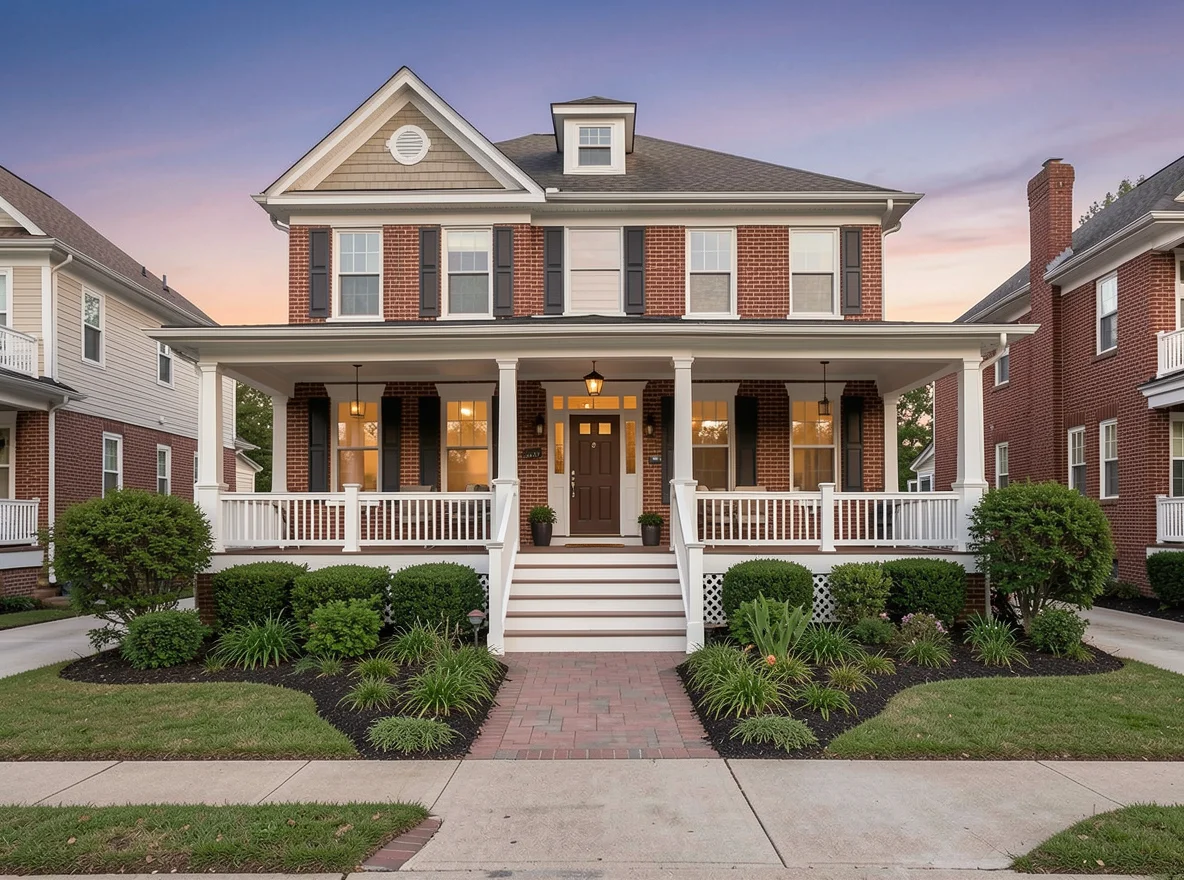
Ask your lender whether flood coverage is required for the loan, then speak with an insurance agent about available options. Policies may be offered through the National Flood Insurance Program or private insurers, and their terms can differ. Compare the building and contents limits, deductibles, exclusions, and any coverage for temporary living expenses rather than focusing on price alone.
An elevation certificate, if one is available, can be useful information to share with an insurance professional. Sellers may have one among their records, but buyers should not assume it exists or that it guarantees a particular rate. Ask the insurer which property details are needed for an accurate quote and whether any existing policy options can be transferred or otherwise considered.
A home outside a high-risk flood zone can still flood. Ask about coverage even when your lender does not require a policy.
Timing matters, too. Some flood policies have waiting periods before coverage begins, although exceptions can apply, including in certain lending situations. Ask the insurer for the actual effective date rather than assuming a policy can begin immediately before a storm or on closing day.
A practical checklist for buyers
Start the insurance conversation as soon as you are seriously considering a property. Provide the address and any available details about the roof, construction, elevation, and recent improvements. If the quote is preliminary, ask what could change after an inspection or review of the home’s records.
- Request comparable quotes. Check that each quote uses similar dwelling limits, deductibles, and optional coverages.
- Confirm the full monthly payment. Ask your lender how homeowners and any required flood premiums will affect escrow and cash needed at closing.
- Review deductibles in dollars. Make sure you understand what you could owe after a wind, hurricane, or flood claim.
- Ask about timing. Confirm when coverage can be bound and whether an approaching storm could temporarily limit new coverage.
- Get answers in writing. Review the quote and policy documents with a licensed insurance professional before relying on a verbal estimate.
If the payment is higher than expected, revisit the overall budget before proceeding. A different deductible or coverage option may change the premium, but it can also change your financial exposure. Your lender, insurance professional, and real estate agent can help you understand how those choices fit into the transaction.
How sellers can prepare
Before listing, collect records that help describe the property accurately: roof installation or repair dates, receipts for relevant improvements, available elevation documents, and information about prior insurance claims or flood history. Share applicable information and disclosures as required, and ask your agent or a Louisiana real estate attorney if you have questions about your obligations.
A current insurance bill can provide context, but it is not a promise of what the next owner will pay. A buyer’s quote may reflect a different insurer, coverage selection, deductible, or underwriting assessment. It is more helpful to provide factual documents than to advertise a premium as though it will automatically carry over.
Consider addressing known maintenance concerns before buyers begin requesting quotes. Documentation of completed work can help an insurer evaluate the property, although no repair guarantees a discount or eligibility. Your agent can also help you think through how insurance questions might affect a buyer’s timeline and the terms of an offer.
Explore the home-selling process
Whether you are buying or selling this season, the best approach is to make insurance part of the conversation early. A property-specific quote, a careful look at flood and wind coverage, and clear documentation can help you make decisions with a fuller picture of the costs ahead.