
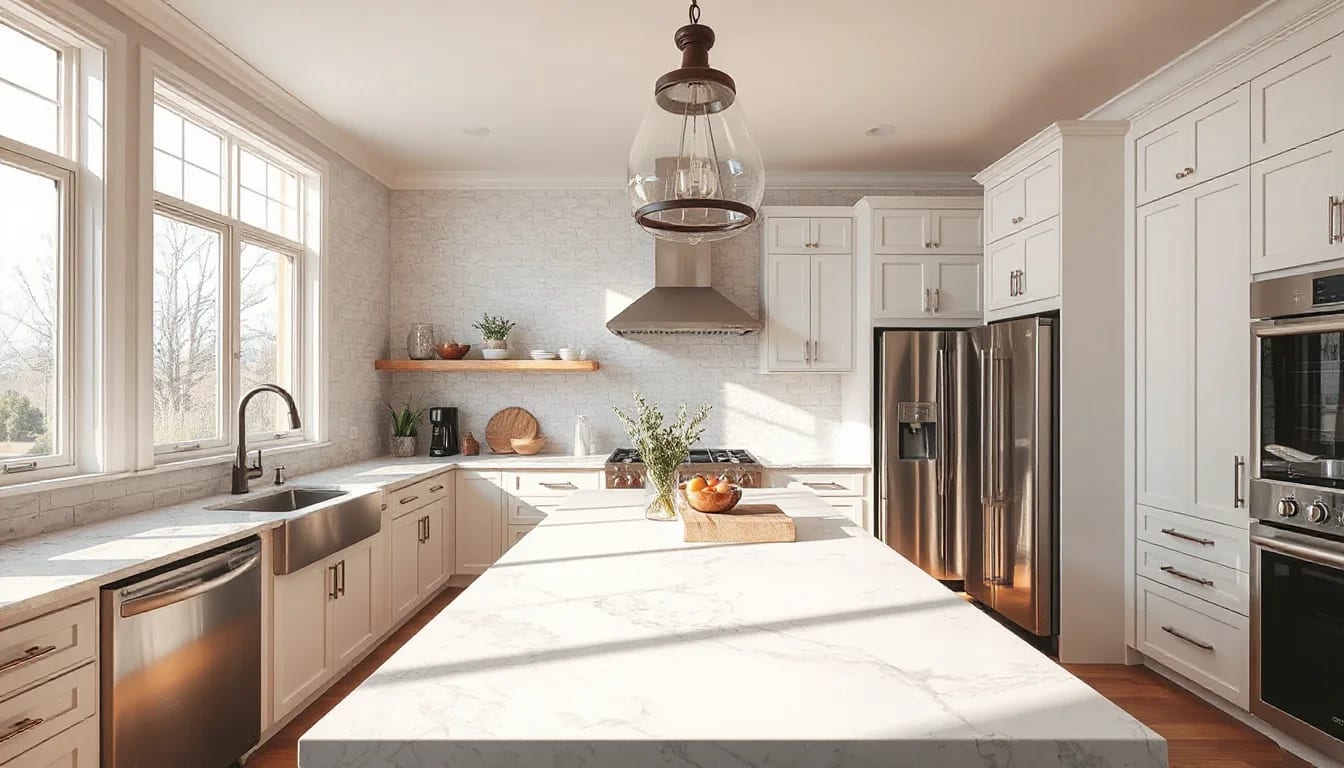
In Pearl River, thoughtful maintenance is more than a weekend task list—it can help preserve a home’s condition, reduce surprise repair conversations, and support a stronger presentation when it is time to sell. Start with the systems buyers notice through inspections: water management, exterior protection, cooling, and everyday upkeep. A clear record of completed work can be nearly as valuable as the work itself.
Begin With Water Management and Exterior Protection
Pearl River homes contend with heat, humidity, frequent rain, and the occasional severe-weather season. Those conditions make exterior maintenance especially important because small gaps, clogs, and drainage problems can become expensive repairs if they are ignored. Before focusing on cosmetic upgrades, take a practical walk around the property after a rainfall and look for standing water, overflowing gutters, loose trim, soft soil near the foundation, or areas where water appears to collect against the home.
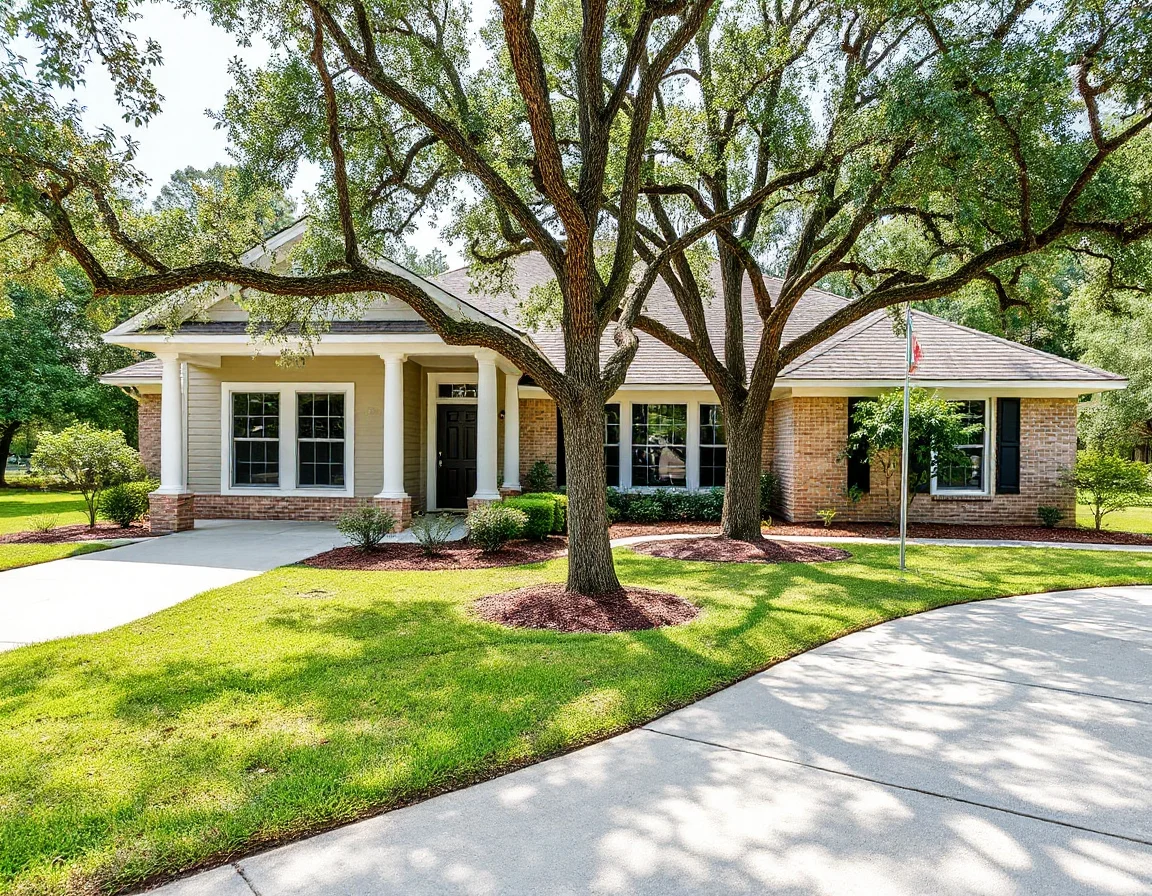
Gutters and downspouts are a sensible first project. Clear leaves and roof debris, confirm that downspouts direct water away from the foundation, and repair loose sections before they pull away from the fascia. If water repeatedly pools in one location, consider whether grading, a drainage extension, or a landscape adjustment could improve the path of runoff. These are not flashy projects, but they address a concern that can affect siding, foundations, walkways, and crawlspace conditions over time.
Next, inspect the roofline and exterior envelope. Look for damaged shingles, worn sealant around penetrations, deteriorated flashing, peeling paint, cracked caulk, and openings around windows or utility connections. A licensed professional should evaluate anything that appears beyond routine maintenance. Keeping invoices, inspection reports, warranties, and before-and-after photos in one folder can make it easier to explain the home’s care history during a future transaction.
A simple maintenance file with dated receipts for roof work, drainage improvements, HVAC service, and major repairs gives prospective buyers concrete information instead of unanswered questions.
Exterior paint and wood trim also deserve consistent attention in Louisiana’s humid climate. Peeling paint is not always a major repair, but it can signal deferred upkeep to someone viewing the property. Scrape and repaint affected areas, replace rotted boards rather than covering them, and keep shrubs trimmed away from siding so moisture and pests have fewer places to linger. The goal is not perfection; it is a clean, cared-for exterior that accurately reflects the home’s condition.
Keep Major Systems on a Predictable Schedule
Major mechanical systems can influence both daily comfort and a buyer’s confidence. An annual HVAC checkup is one of the most practical maintenance habits for a Pearl River property. A technician can inspect cooling performance, electrical components, drainage lines, filters, and refrigerant-related concerns while identifying wear before it becomes an urgent breakdown. Between service visits, replace filters on the schedule recommended for the system and keep exterior equipment clear of leaves, grass clippings, and stored items.
Plumbing deserves the same steady attention. Check beneath sinks, around toilets, behind appliances, and near the water heater for moisture, corrosion, slow drips, or staining. Test shutoff valves periodically so they are usable when needed. If the water heater is nearing the end of its expected service life, a proactive evaluation may be more manageable than waiting for a failure. For septic-system properties, follow the inspection and service guidance appropriate to the system rather than relying on guesswork.
Electrical maintenance is less visible, but it should not be overlooked. Confirm that outdoor outlets, ground-fault circuit interrupter outlets, smoke alarms, and carbon monoxide alarms are operating as intended. Replace aging batteries where applicable, and have a qualified electrician assess repeated tripped breakers, warm outlets, flickering lights, or any other persistent concern. When it comes to electrical or structural work, documentation from a licensed professional is especially useful.
It is also worth reviewing your insurance documents and emergency preparations each year. Verify what maintenance responsibilities are yours, make a list of key contractors, and photograph major rooms and systems for your records. Preparedness does not replace repairs, but it can make decisions clearer if a weather event or unexpected system issue occurs.
Choose Updates That Improve Condition Before Chasing Trends
When resale value is the goal, condition usually matters more than a highly personalized renovation. Buyers often respond positively to spaces that feel clean, functional, and easy to understand. That can mean repairing a sticky door, regrouting a worn bath surround, replacing a damaged screen, updating a failing faucet, or refreshing tired neutral paint. These smaller projects can improve the impression of care without requiring a complete remodel.
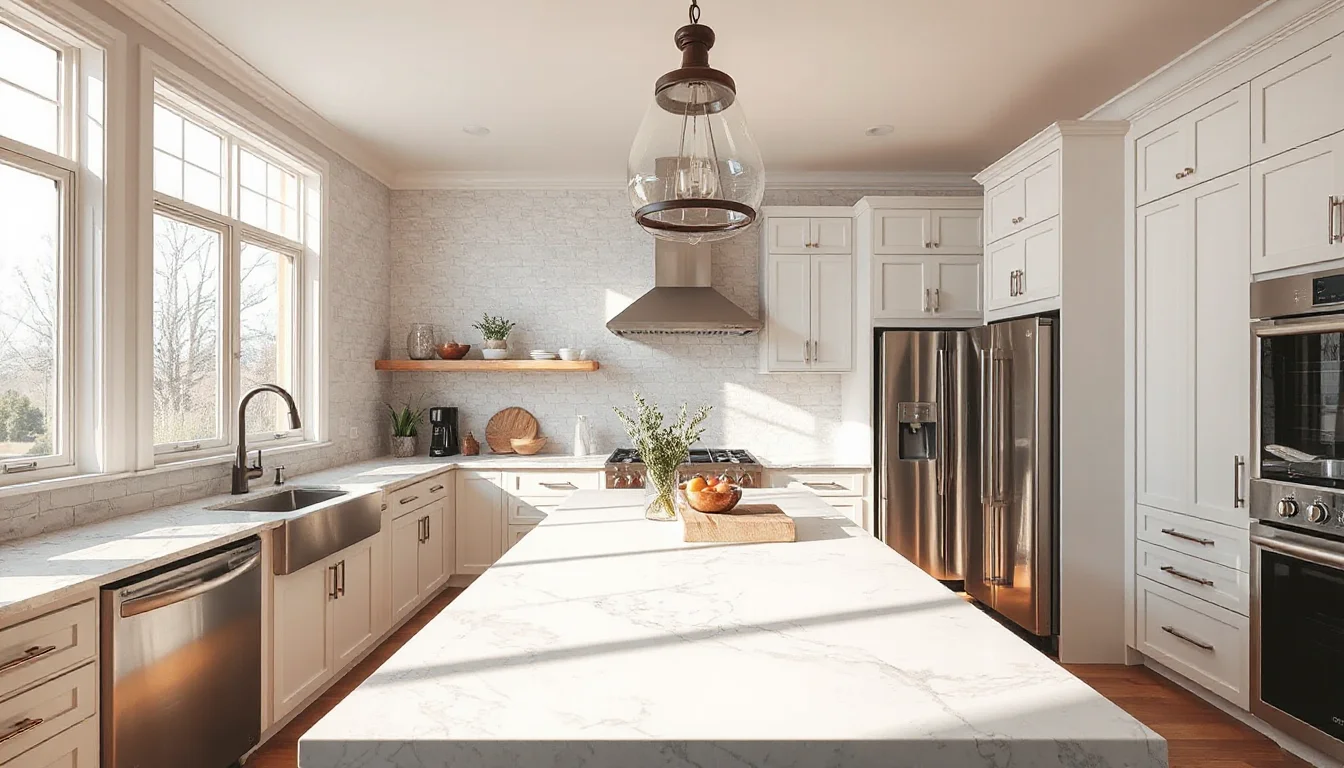
Kitchens and bathrooms are good places to prioritize function. Repair leaks, ensure cabinet doors close properly, replace missing hardware, refresh worn caulk, and address damaged flooring. If an appliance no longer operates reliably, replacement may be worth considering, particularly when the surrounding space is otherwise well maintained. Avoid assuming that the most expensive finish will automatically produce the best return; appropriate improvements depend on the home, its current condition, and nearby market competition.
Lighting can make a noticeable difference at a comparatively modest cost. Replace burned-out bulbs, use consistent color temperature where possible, clean fixture covers, and make sure exterior lighting works. Inside, remove clutter that blocks windows or makes rooms feel smaller. Outside, keep walkways clear, repair uneven surfaces where feasible, and make sure the house number is visible from the street. These details support both usability and a more polished showing experience.
Before taking on a major renovation, it can help to separate needs from wants. A worn roof, an aging HVAC system, water intrusion, or deteriorated siding generally deserves more attention than a design trend that may not appeal broadly. If a large project is under consideration, ask for several estimates, understand permit requirements, and save every contract and warranty. A well-executed repair with reliable records can be easier to communicate than a costly upgrade with no paper trail.
Make Maintenance Part of a Future Selling Plan
Maintenance works best when it is ongoing rather than rushed into the weeks before listing. Create a seasonal calendar that includes gutter cleaning, HVAC service, exterior inspections, landscaping, pressure washing where appropriate, and checks for caulk, paint, and plumbing leaks. Breaking work into manageable intervals can keep the property from feeling like one overwhelming project and may reduce the chance that several repairs arrive at once.
As a sale approaches, review the home through the lens of a visitor seeing it for the first time. Does the entry feel orderly? Are visible repairs complete? Do doors, lights, faucets, and appliances function as expected? Is there a clear record of recent professional work? A pre-listing conversation with a real estate professional can help distinguish between projects likely to improve market readiness and projects that may not be necessary for the current market.
The strongest pre-sale maintenance plan is usually a focused one: solve active issues, finish incomplete repairs, clean thoroughly, and keep records ready for questions that may arise during inspections.
There is no universal checklist that guarantees a particular sale price, and every home has its own age, systems, layout, and repair history. Still, consistent attention to drainage, exterior materials, mechanical systems, and visible wear can help protect the home’s condition over time. In Pearl River, that steady approach can make the property easier to prepare, easier to explain, and more compelling when prospective buyers begin comparing options.