

Thoughtful staging helps buyers notice a home’s space, condition, and everyday potential before they focus on a long list of details. In Pearl River, a few targeted updates—from curb appeal to better room flow—can make listing photos more effective and help each showing feel clear, welcoming, and memorable. The goal is not to make your home look unfamiliar; it is to make its strongest features easy to see.
Begin With the Buyer’s First View
The preparation process starts before anyone opens the front door. Online listing photos, the driveway, the entry, and the first few steps inside form an immediate impression of how well a property has been maintained. Staging is less about adding elaborate décor and more about reducing visual distractions so the home’s layout, natural light, storage, and outdoor areas can take center stage.

Start at the curb with the practical items that read clearly in photographs: mow and edge the lawn, trim back growth that covers windows or walkways, sweep the porch, and remove unused planters, hoses, bins, and yard equipment. A clean front door, working exterior lights, and a visible house number create a polished arrival. If paint is chipped or a mailbox is leaning, small repairs can carry more weight than a large decorative project.
Inside, approach the entry as a transition rather than a storage zone. Clear excess shoes, bags, pet supplies, and seasonal items. A simple doormat, a clean light fixture, and an open path help the entry communicate its dimensions. Buyers should be able to picture how they would move through the home without having to look past crowded surfaces or temporary household routines.
Natural light deserves special attention in southeast Louisiana, where bright days can make rooms feel especially open. Wash windows, open blinds for photos and showings when privacy allows, replace burned-out bulbs, and select consistent warm-white lighting throughout the house. Before a photographer arrives, turn on lamps in darker corners and check that ceiling fixtures have matching bulbs. The result is a more accurate, inviting presentation of each room.
A staging plan works best when it follows the route a buyer takes: curb, entry, main living spaces, kitchen, bedrooms, baths, and outdoor areas. Clear pathways and bright, consistent lighting make that route easier to understand in person and online.
Make Each Room’s Purpose Easy to Read
A well-staged room answers a simple question at a glance: how can this space be used? Rooms that serve multiple purposes can be appealing, but they need enough definition for buyers to understand the options. A spare room crowded with boxes, workout equipment, and office supplies can feel smaller than it is. Editing the contents and choosing one primary function creates a clearer visual story.
In living rooms, remove extra chairs, bulky exercise equipment, and furniture that interrupts the walking path. Keeping only the pieces that demonstrate the room’s proportions often makes a stronger impression than trying to fill every wall. Arrange seating to show conversation areas or a focal point such as a fireplace, built-in shelving, or a large window. Neutral textiles and a few intentional accessories can add warmth without drawing attention away from the room itself.
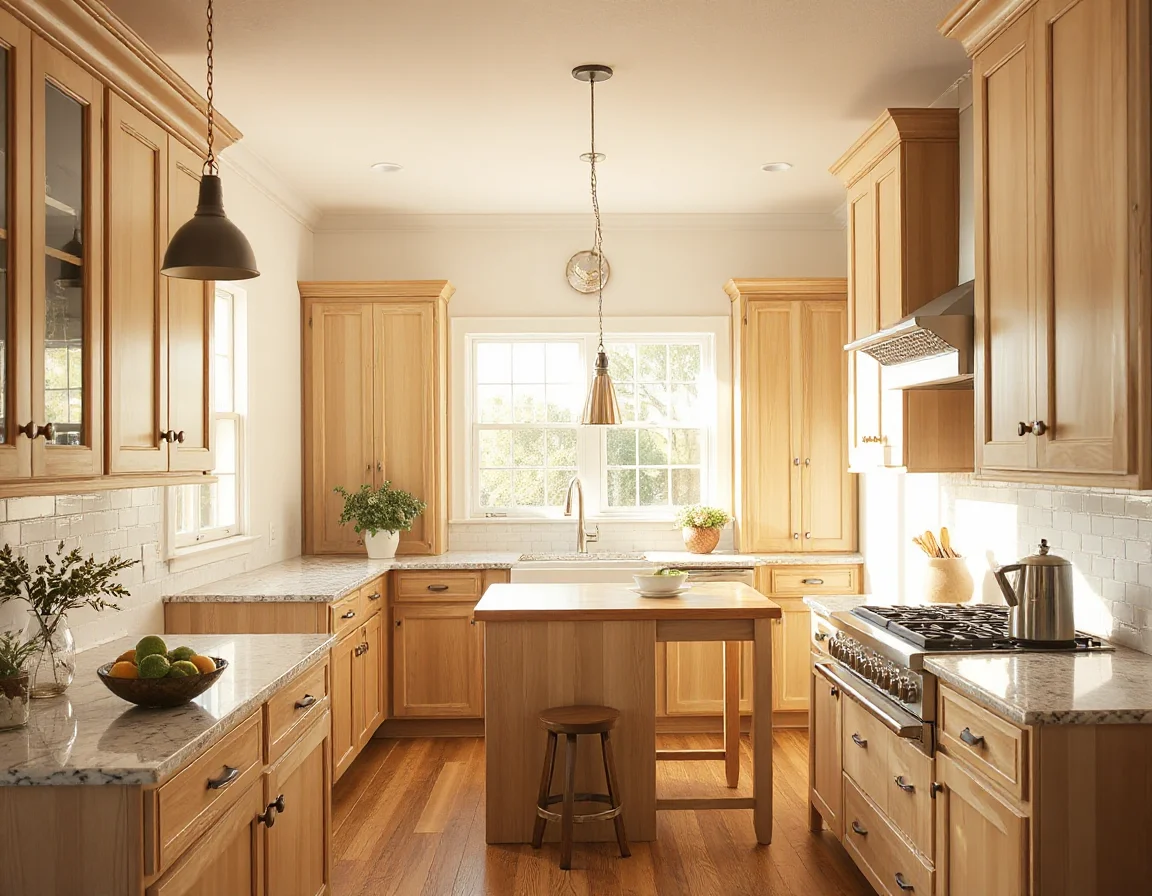
Kitchens and bathrooms are high-impact spaces because buyers frequently look closely at surfaces, storage, and cleanliness. Clear counters almost completely, leaving only a few purposeful items such as a small bowl, cutting board, or hand towel. Put away magnets and papers on the refrigerator, clean appliance fronts, and empty the sink. In bathrooms, fresh towels, a spotless mirror, and closed toilet lids make a meaningful difference. Address lingering odors rather than covering them with strong fragrance.
Bedrooms should feel restful and easy to navigate. Make the beds with coordinated linens, clear nightstands, and remove laundry, personal paperwork, and oversized furniture where possible. Closets benefit from the same approach: buyers expect to see storage, so organize it rather than concealing it. Reducing the volume of clothing and arranging items by type can make closets look more functional while helping you begin the packing process.
Personal photographs, collections, and highly specific décor are part of what makes a home yours. For listing preparation, consider packing a portion of these items. This is not about removing personality; it is about giving buyers room to focus on the property’s finishes and features while imagining how their own belongings could fit. Keep a few restrained accents that make rooms feel lived in, not vacant.
Explore your home valuation options
Prioritize Repairs That Support a Well-Cared-For Impression
Staging cannot replace maintenance, and buyers often notice small unfinished tasks quickly. Walk through the property with a notepad and look for loose handles, dripping faucets, cracked switch plates, sticking doors, damaged screens, or scuffed baseboards. These are typically manageable projects, yet together they influence how carefully a home appears to have been cared for.
Focus first on visible condition and function. Repairing a broken cabinet hinge, touching up paint around a door frame, re-caulking a worn edge, or replacing a dated light bulb is usually more useful than starting a large renovation immediately before listing. If a bigger repair is needed, discuss the timing, budget, and likely presentation impact with a real estate professional before committing. The right choice depends on the home’s current condition, comparable properties, and the expected listing strategy.
Exterior spaces deserve the same editing as interior rooms. Sweep patios and porches, rinse outdoor furniture, remove damaged items, and show usable areas without crowding them. If the property includes a deck, shed, workshop, garden area, or generous yard, make access to those features obvious. Listing photos should communicate not only what is there, but also how the spaces connect to the home.
Before showings, establish a simple reset routine that can be completed quickly: make beds, wipe kitchen counters, empty trash, put away pet items, open curtains, and turn on lights. Keep a basket or bin available for last-minute items. A repeatable routine is far less stressful than attempting a complete clean-up each time an appointment is scheduled.
The most effective pre-listing updates are often the least dramatic: clean surfaces, completed minor repairs, organized storage, and lighting that accurately shows the home. These details support strong photography without changing the character of the property.
Plan the Listing Day With Purpose
Once the rooms are edited and repairs are complete, take a slow final walk through at the same time of day your photography or first showing may occur. Notice glare on windows, dim corners, outdoor clutter, and surfaces that need one more wipe. Ask whether each room has a clear purpose and whether the strongest features are visible from the doorway.
Professional guidance can help sellers decide where to invest effort and where to stop. Every Pearl River property has a different combination of layout, lot features, updates, and market competition. A practical staging consultation can identify the improvements most likely to strengthen presentation while avoiding projects that add cost without a clear benefit.
Preparing a home for market is also an opportunity to simplify the move ahead. As you pack nonessential belongings, label boxes, separate donation items, and keep important documents in one place. By listing day, the home can feel polished, accessible, and ready for buyers to experience its features with fewer distractions.
Great staging is ultimately about clarity. When buyers can easily see the condition, flow, light, storage, and outdoor potential of a Pearl River home, they can spend more time considering the property itself. Start with a clean, well-maintained foundation, edit each room with intention, and make the first view count—online and at the front door.