

Flood-zone research is one of the most important parts of a Slidell home decision, but a map color alone does not tell the entire story. Reviewing the property’s current FEMA designation, elevation information, insurance history, and drainage context can help buyers plan confidently and help sellers present clear, useful information.
Start With the Address, Not Assumptions
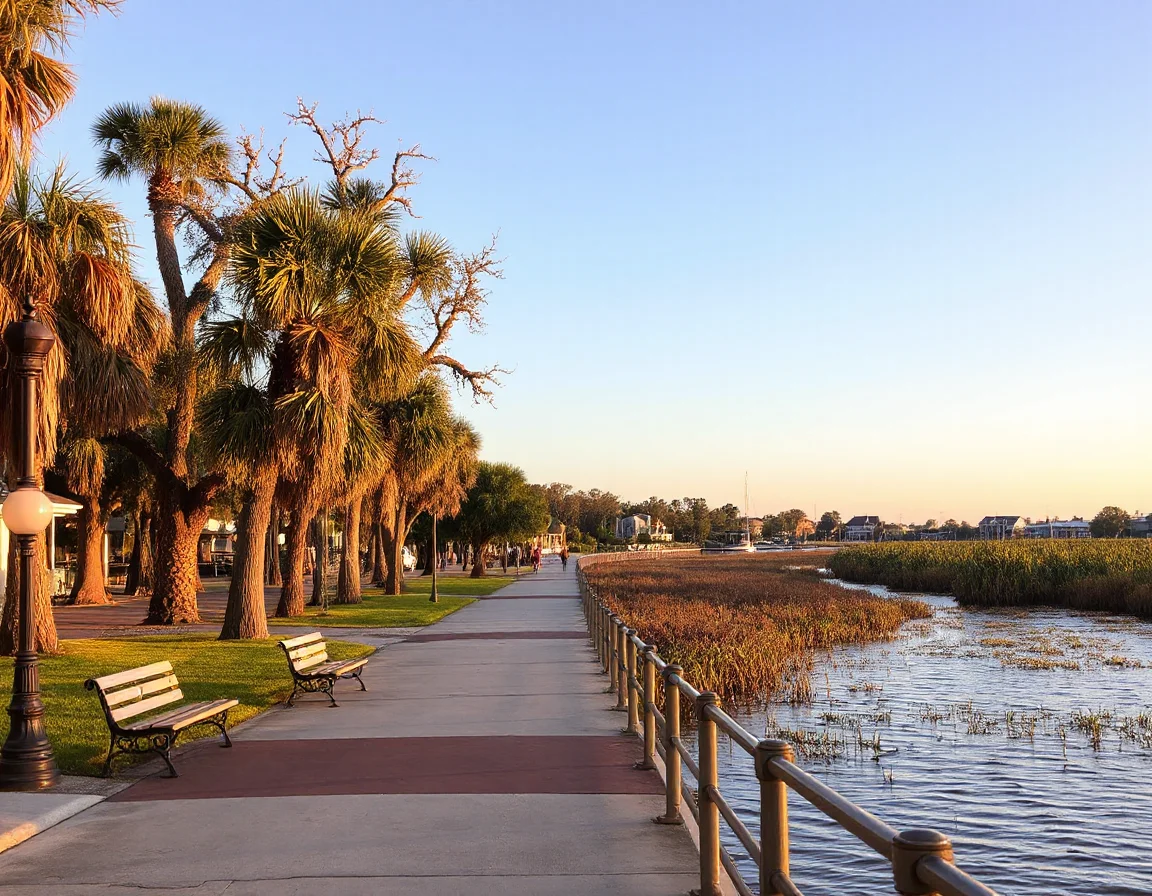
In a community shaped by Lake Pontchartrain, Bayou Bonfouca, local waterways, and changing weather conditions, flood awareness is part of thoughtful real estate planning in Slidell. Two nearby properties can have different flood-zone designations, elevations, insurance requirements, or drainage patterns. Whether you are preparing an offer or getting ready to list, begin with the exact property address and current documentation rather than relying on a neighborhood-wide impression.
The most common starting point is the FEMA Flood Map Service Center, where a property can be reviewed against the current Flood Insurance Rate Map. A zone designation may affect whether a lender requires flood insurance for a financed purchase, but it should be treated as one piece of the property picture. Flood maps are based on specific studies and are periodically updated, so it is important to confirm the current map rather than using an older listing description or an informal screenshot.
Ask for the map panel, zone designation, base flood elevation when applicable, and any available elevation certificate. An elevation certificate can identify how the lowest floor compares with the base flood elevation, which may be useful for evaluating insurance options. Buyers should also speak with a licensed insurance professional early in the process because policy availability, coverage choices, deductibles, and premiums vary by property and carrier.
A flood-zone designation is not a prediction that a property will flood, and a location outside a high-risk zone is not a guarantee against water damage. The best decisions come from pairing map research with property-specific records and professional guidance.
For sellers, clarity often creates a smoother transaction. Gather existing elevation certificates, flood-insurance declarations, repair invoices, permits, drainage improvements, and disclosure materials before the home reaches the market. If documentation is missing, it may still be possible to order records, contact the prior insurer, or discuss updated information with qualified local professionals. Organized records make it easier for prospective buyers to evaluate the home without guessing.
Look Beyond the FEMA Map
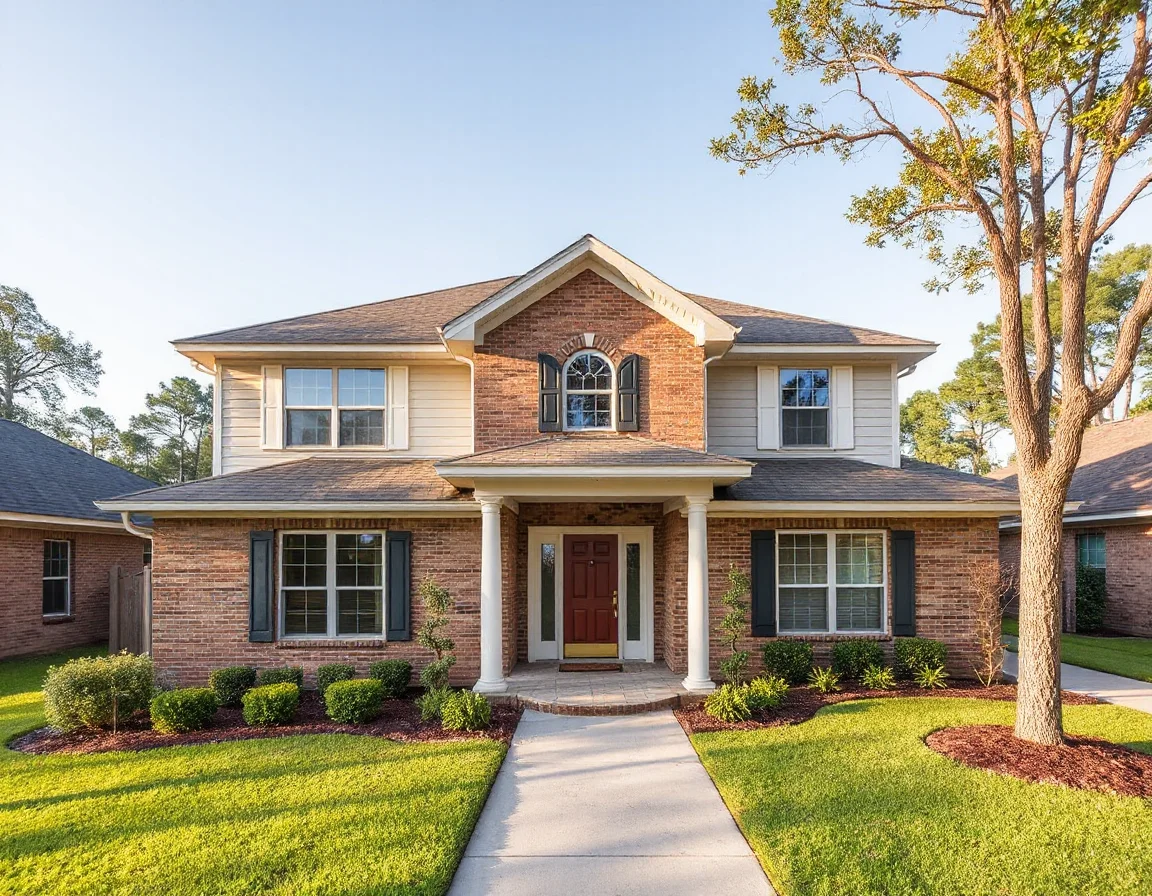
FEMA mapping matters, but the day-to-day behavior of a site can also influence a buyer’s comfort and planning. During a showing, notice the lot elevation, visible drainage swales, catch basins, gutters, downspout extensions, grading around the foundation, and the relationship between the home and nearby water or low-lying land. These observations do not replace an inspection, survey, or engineering opinion, but they can guide the right questions.
Property disclosures deserve careful attention as well. Review the seller’s answers regarding prior water intrusion, flood claims, repairs, mitigation measures, and known drainage concerns. If a home has experienced an event, the useful next question is not simply whether water occurred; it is what happened afterward. Documentation of repairs, materials replaced, permits, receipts, photographs, and mitigation work can help create a more complete record.
Inspection periods are an opportunity to be precise. Depending on the property and transaction, buyers may choose to consult a home inspector, surveyor, insurance professional, contractor, engineer, or drainage specialist. A survey can clarify property boundaries, easements, and certain site features. An inspection can identify visible conditions that merit follow-up. Each professional answers a different question, and their input can help a buyer evaluate both immediate needs and longer-term maintenance planning.
It is also wise to distinguish between flood insurance and a standard homeowners policy. Standard homeowners insurance often does not provide flood coverage, while a separate flood policy may have its own terms, limits, waiting periods, and eligibility requirements. Obtain written estimates early enough to incorporate them into the overall monthly and annual cost of ownership. This is especially important when comparing several homes with different elevations, structures, or insurance histories.
Request insurance estimates before the end of the inspection period whenever possible. Comparing coverage and premium scenarios early can turn an unfamiliar expense into a clear line item in the home-buying budget.
A Practical Plan for Buyers
Buyers can keep flood-zone research manageable by using a consistent checklist for every property under consideration. Start with the current FEMA map, then compare that information with the seller disclosure, insurance details, elevation certificate if available, and property survey. During the showing, look at exterior drainage features and ask how water is directed away from the structure. Finally, use the inspection period to pursue questions that remain unanswered.
- Verify the property’s current FEMA flood-zone designation using the exact address.
- Ask whether an elevation certificate, survey, or prior flood-insurance information is available.
- Review disclosures and repair documentation carefully.
- Request flood-insurance quotes from qualified insurance professionals.
- Discuss inspection findings and any drainage concerns with the appropriate specialist.
- Budget for insurance, maintenance, and any planned improvements alongside the mortgage payment.
A methodical review is valuable even when a lender does not require flood insurance. Weather, drainage, and site conditions can affect homes in many locations, and risk tolerance differs from one buyer to another. The goal is not to eliminate every uncertainty; it is to understand the available information well enough to make a decision that fits your plans, budget, and comfort level.
How Sellers Can Prepare a Stronger Listing Conversation
Sellers do not need to solve every buyer question in advance, but preparation can reduce delays once an offer arrives. Begin by assembling documents that already exist: insurance declarations, elevation certificates, surveys, receipts for drainage or exterior work, permits, and records of repairs. Keep descriptions factual and complete. Buyers appreciate a clear timeline of improvements and the chance to review records with their own advisers.
If you have made practical updates, describe what was done without making promises that cannot be verified. For example, records may show that gutters were replaced, grading was adjusted, a drainage system was serviced, or damaged materials were repaired after an event. Let the documents speak to the work completed, and avoid broad claims about future performance. Accurate information supports a more informed transaction for everyone involved.
Pricing and marketing should also reflect the property as a whole: condition, location, lot characteristics, updates, current competition, and documented features. Flood-zone status may be an important consideration, but it is not the only factor shaping value or buyer interest. A local real estate professional can help organize property details, identify questions likely to arise, and prepare a marketing approach grounded in the home’s actual attributes.
Discover how much your house is worth
Confidence Comes From Better Questions
Buying or selling in Slidell does not require becoming a floodplain expert overnight. It does require slowing down long enough to verify the map, study the records, price insurance, and ask qualified professionals for guidance when a detail is unclear. With a property-specific approach, buyers can compare homes more thoughtfully and sellers can communicate with greater transparency. The result is a real estate decision based on useful facts, realistic planning, and a clearer view of the road ahead.