
Standout listing photos begin well before the photographer arrives. A focused plan for light, curb appeal, room editing, and New Orleans-specific details can help buyers understand your home’s layout and character at first glance. Use this checklist to create polished images that feel welcoming, accurate, and memorable.
Start With the Story Your Home Tells
Listing photos do more than document rooms: they create a first impression before a buyer schedules a showing. In New Orleans, that impression may come from a shaded front porch, tall windows, original millwork, a bright shotgun-home sightline, or a courtyard softened by greenery. The goal is not to make a home look unlike itself. It is to make each space look cared for, easy to understand, and ready for its next chapter.
Begin by walking through the property as if you were seeing it for the first time. Notice what catches your eye from the curb, what rooms receive the best natural light, and which architectural details deserve a closer look. Make a short list of the features that help explain the home: ceiling height, wood floors, storage, outdoor living areas, renovated systems, or a flexible bonus room. That list gives you and your photographer a practical shot plan instead of relying on a rushed room-by-room approach.
Photography also works best when rooms have a clear purpose. A spare room may be shown as an office, reading room, exercise area, or guest space, but it should not try to be all of them at once. A clean, intentional setup helps viewers understand scale and potential without guessing what they are looking at. If an area is unfinished or used primarily for storage, consider whether it should be photographed at all.
The most effective photo set usually leads with the home’s strongest exterior or main living space, then moves through the layout in a sequence that feels natural to someone touring the property online.
Make the Exterior Ready Before the Camera Arrives
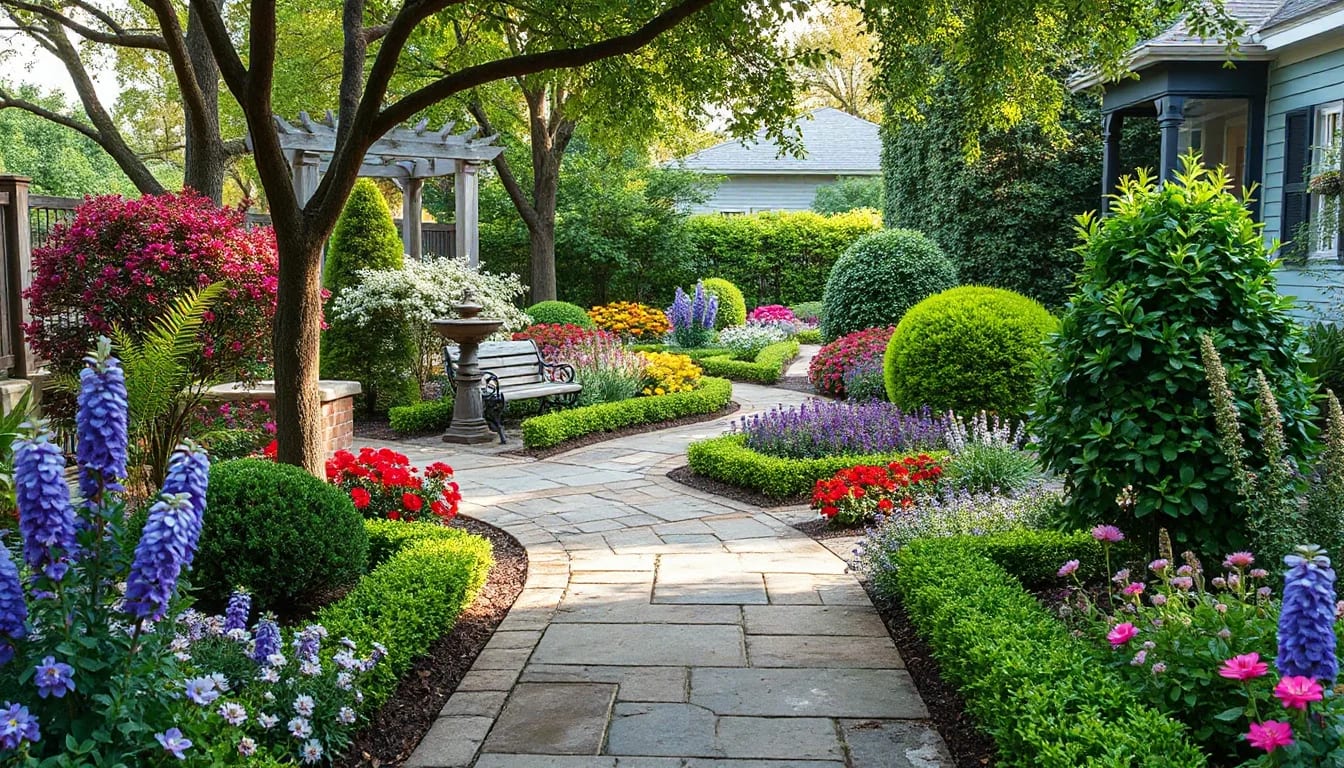
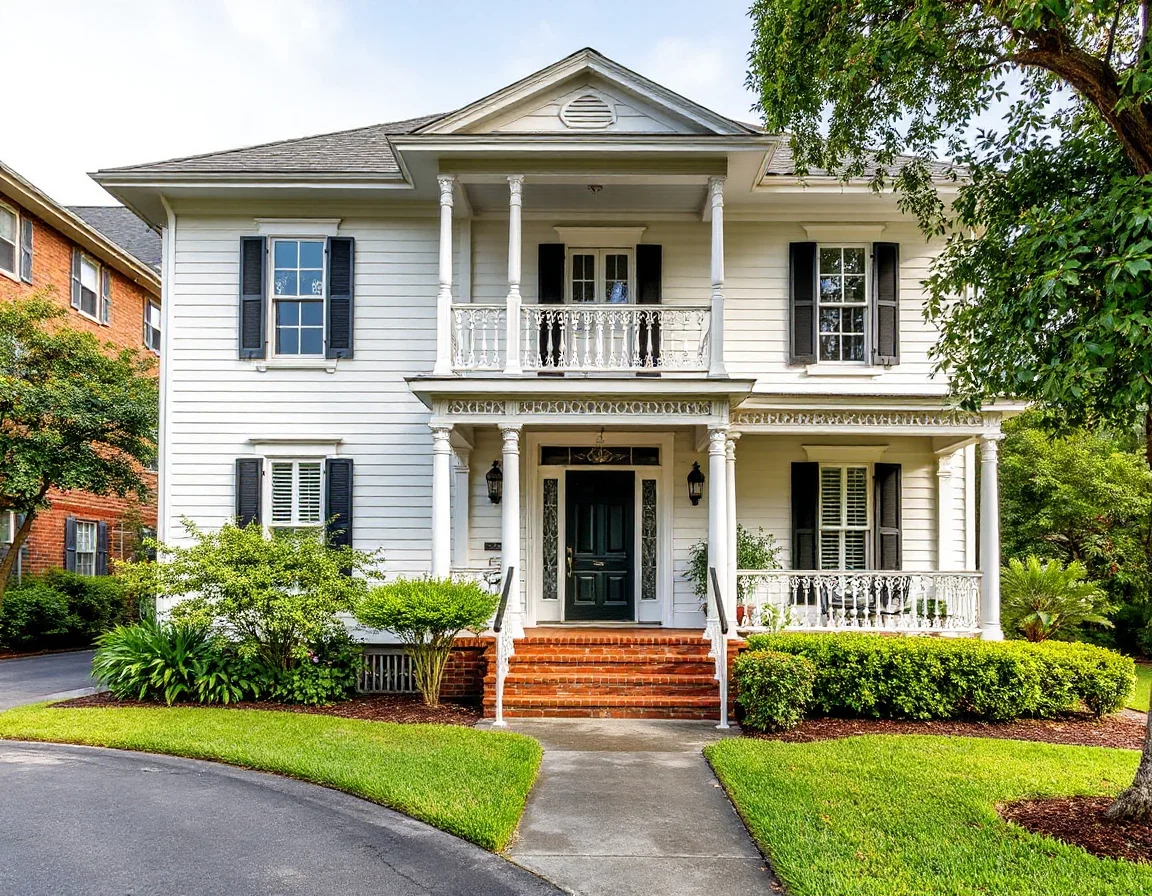
In a city known for architectural detail and abundant plant life, exterior preparation deserves real attention. Start with the basics: mow or edge where needed, sweep walkways and porches, remove bins, coil hoses, and clear vehicles from the driveway or curbside view. Trim only what is necessary so mature landscaping still looks established, and make sure house numbers, railings, gates, and visible exterior light fixtures are clean.
Porches, balconies, and courtyards can be major visual assets, especially when they are arranged simply. A few coordinated chairs, a clean doormat, and healthy container plants can create a finished look without crowding the scene. Avoid temporary decorations, oversized seasonal items, and personal signage. If there is a pool, fountain, or outdoor kitchen, make sure it is clean and photographed as a feature rather than a maintenance project.
New Orleans weather deserves a place in the photo plan. Afternoon storms, strong sun, and high humidity can affect surfaces and light quickly. Check for puddles, wet footprints, condensation on windows, and leaves or debris that may have appeared overnight. If the front of the home faces harsh late-day sun, ask about a photography time that brings out the facade without deep shadows.
Review practical steps for selling your home
Edit Every Room for Light, Space, and Flow
Inside, preparation is less about adding décor and more about editing. Remove countertop appliances, refrigerator magnets, pet items, visible cords, laundry baskets, and excess furniture. Clear bathroom counters down to a few neutral items, tuck away cleaning supplies, and close toilet lids. In kitchens, a simple bowl of citrus or a small vase can add warmth, but wide counters and clean cabinet fronts are usually more compelling than elaborate staging.
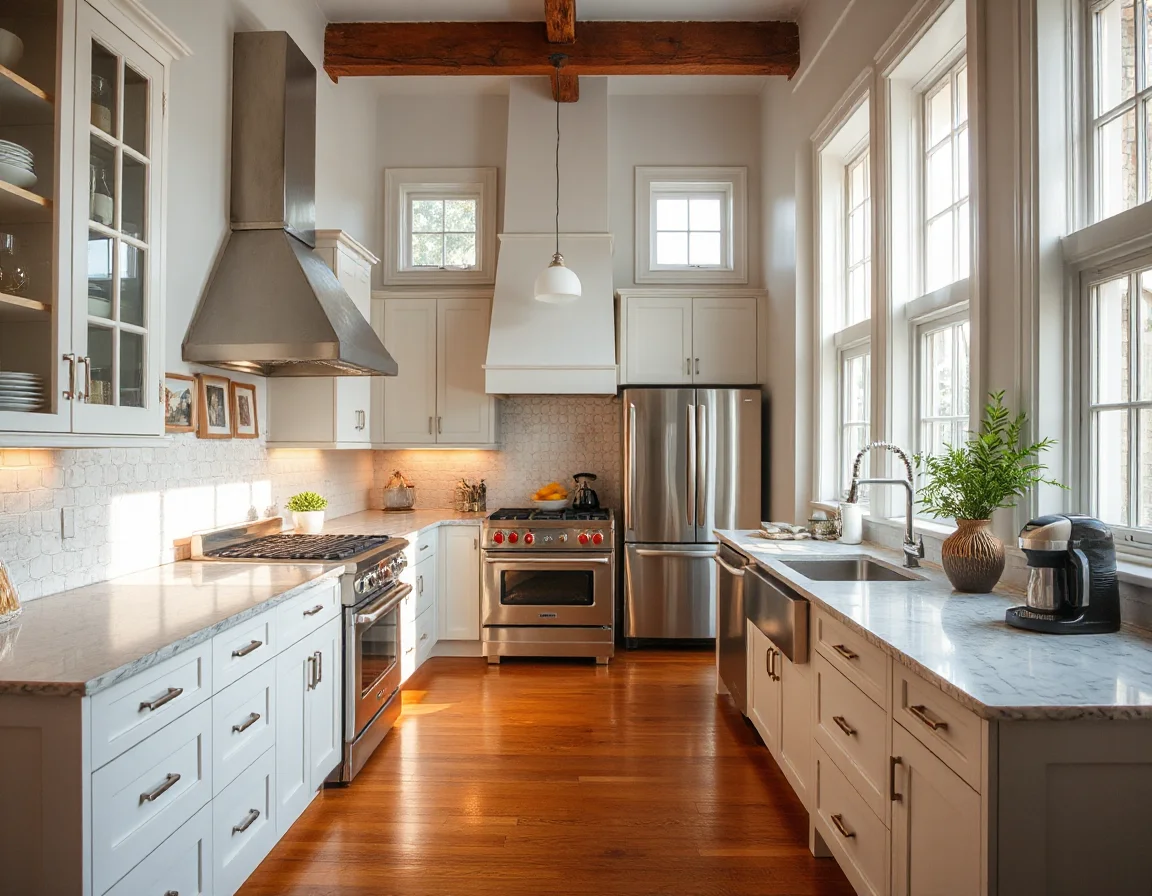
Open curtains and blinds wherever privacy permits, then turn on interior lights to create an even, welcoming glow. Replace burned-out bulbs and aim for consistent bulb temperatures; a mix of cool white and warm yellow lighting can make a room look uneven in photographs. Freshly cleaned windows matter, particularly in rooms with large openings, French doors, or views toward a courtyard, porch, or garden.
For older homes, do not hide the character that makes the property distinctive. Original mantels, transom windows, pocket doors, plaster details, and wood floors often photograph beautifully when the surrounding room is simplified. At the same time, address small distractions such as chipped paint, missing switch plates, loose cabinet hardware, or stained grout. These modest fixes can make a large difference when images are viewed closely on a screen.
Bedrooms should feel calm and spacious. Use neatly made bedding, remove personal photographs and medication, and reduce bedside surfaces to one or two items. Closets are not always photographed, but organizing them is still useful if doors or mirrors may be visible in a shot. The same principle applies to utility spaces: an orderly laundry area can support the impression of a well-maintained home.
Plan Around New Orleans Light and Architectural Character
Light can change the mood of a listing more dramatically than almost any decorative choice. Morning can be especially useful for east-facing rooms and shaded front elevations, while later light may flatter back patios or west-facing living spaces. Your photographer will determine the technical approach, but you can help by noting when each room is brightest and by keeping window treatments easy to adjust.
Consider requesting a few detail images when they add value to the overall listing story. A graceful stair rail, restored tile, exposed brick, ornate ceiling medallion, or well-designed built-in can help convey craftsmanship. Detail photographs should complement, not replace, wide images that show room proportions and circulation. Buyers still need to see how spaces connect and where the major features sit within the home.
Before photo day, stand in each doorway and look toward the windows. Anything reflecting in glass, mirrors, televisions, or glossy appliances may need to be moved or switched off.
Use Photo Day as a Final Quality Check
On the morning of the shoot, do one deliberate reset. Make beds, empty wastebaskets, wipe counters, straighten rugs, and move vehicles if possible. Put away valuables, personal documents, prescription items, and anything you would not want visible in an online listing. Keep pets comfortable in a separate area or arrange for them to be elsewhere during the session so doors can remain open and rooms can be photographed efficiently.
It is also helpful to keep a small tote or basket nearby for last-minute items: remote controls, charging cables, mail, extra pillows, cleaning cloths, and small toiletries. This prevents a frantic search when the photographer is ready to capture a room. Once a space is prepared, try not to add items back in. Consistency from room to room makes the completed listing feel polished and cohesive.
Finally, remember that strong listing photography sets expectations for the in-person visit. Images should highlight the home’s best features while remaining honest about its size, condition, and layout. A clean, well-lit, thoughtfully composed photo collection helps buyers arrive informed and ready to focus on the property itself.
Discover how much your home may be worth
A Well-Prepared Home Is Easier to Remember
Preparing for listing photos is one of the most practical ways to support a successful launch. By decluttering, cleaning, emphasizing authentic architectural details, and planning for local weather and light, you create images that invite buyers to explore further. The result is not a generic photo gallery, but a clear visual introduction to a New Orleans home with its own sense of place, function, and appeal.