
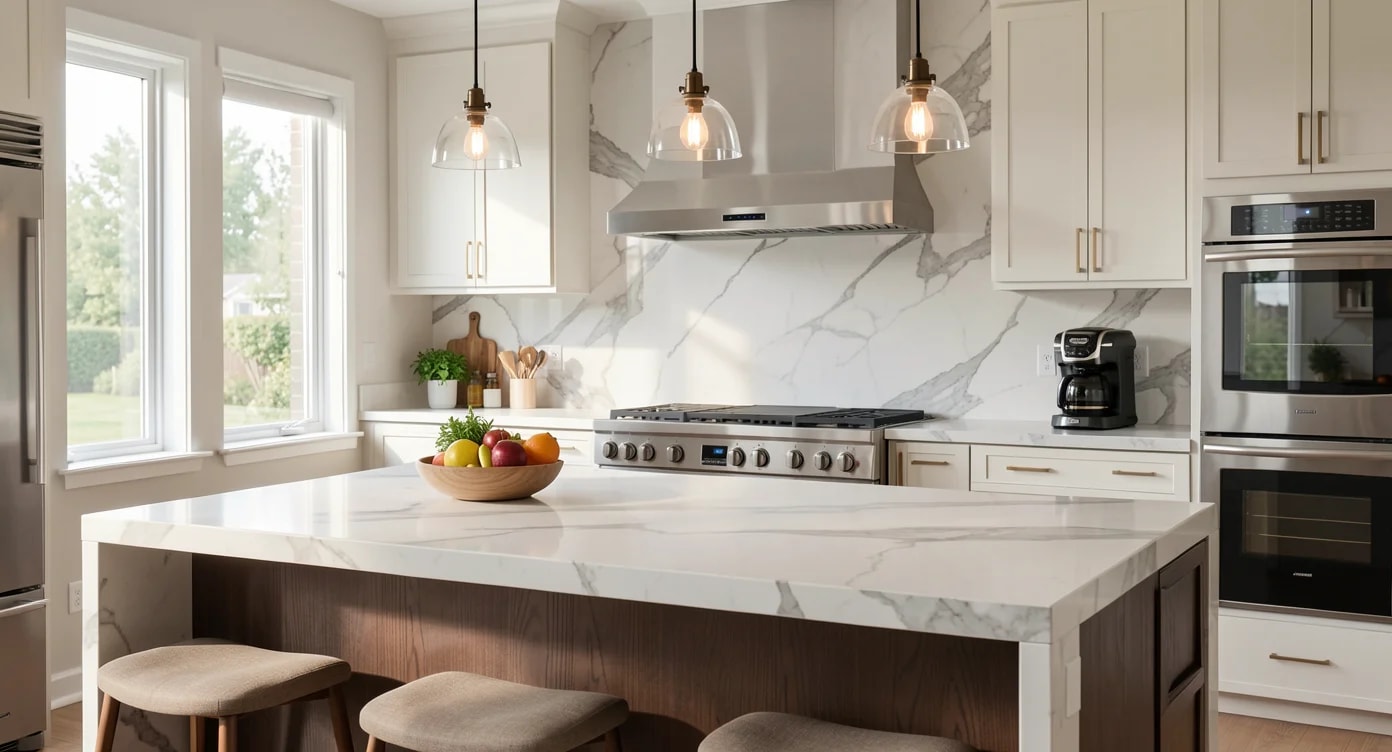
The most rewarding home improvements often start with the basics: keeping moisture out, maintaining essential systems, and making everyday spaces work better. For Folsom homeowners, thoughtful updates can improve comfort now and strengthen a home’s appeal when it is time to sell. The right priorities depend on the property, your budget, and how long you plan to stay.
Start With a Home That Works Well
A fresh kitchen or inviting porch can make a strong first impression, but the projects behind the walls often deserve attention first. In Folsom, Louisiana, heat, humidity, and heavy rain make moisture management and routine maintenance considerations. Before choosing finishes, look for issues that could affect the home’s condition or your enjoyment of it.
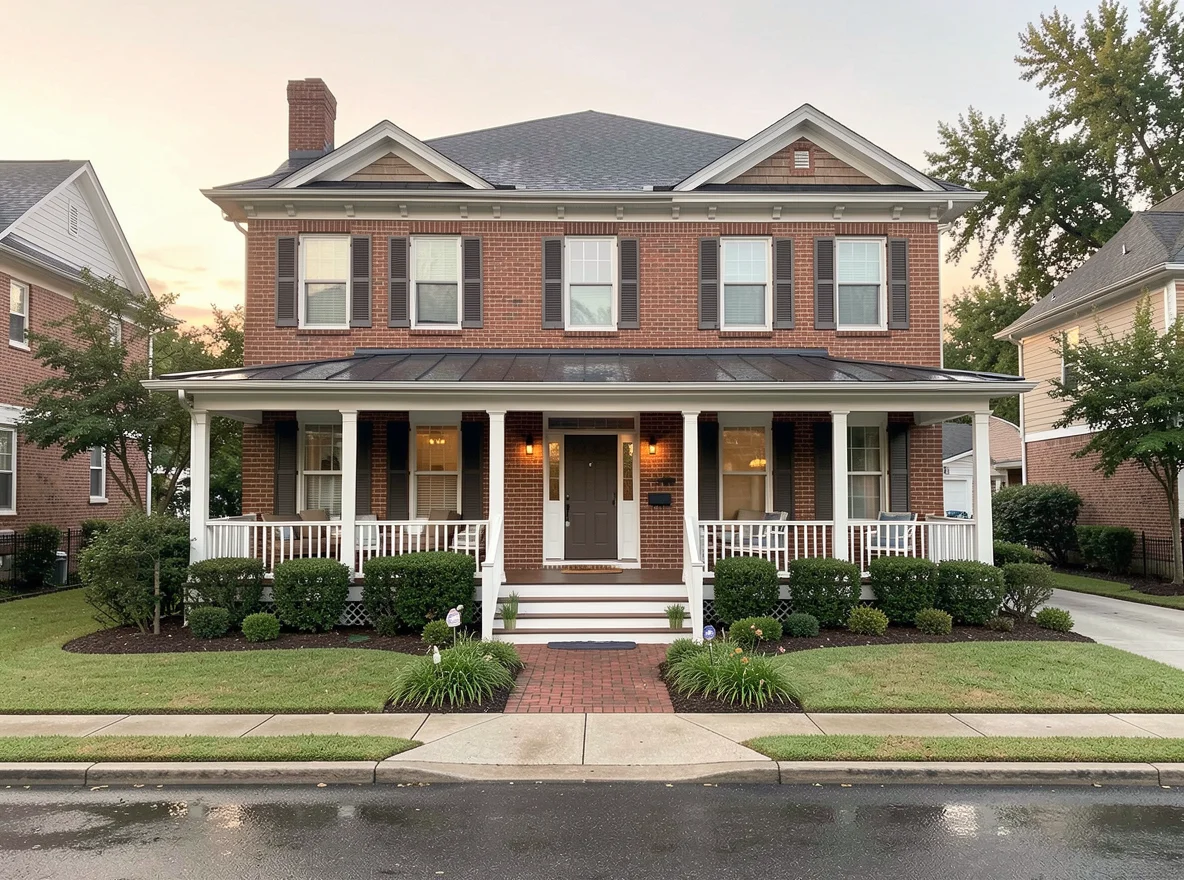
Walk the exterior after a rainstorm and notice where water collects. Check gutters and downspouts, look for drainage concerns, and watch for signs of leaks around windows and doors. Inside, stains, musty odors, or peeling paint can warrant a closer look. A qualified professional can help identify the cause before you spend money covering up the symptoms.
Give the roof, heating and cooling equipment, plumbing, and electrical systems attention, too. Service records and receipts help you track what has been repaired and when. If you plan to sell, organized documentation can also help you answer buyer questions, although it does not replace inspections or required disclosures.
Addressing a leak before repainting protects the new finish and helps keep a small maintenance issue from becoming a larger project.
Buyers weighing a property that needs work can use the same approach. Ask about the age and maintenance history of major systems, and consider inspections and contractor estimates before deciding how much room to leave in the budget for improvements.
Make Cooling and Humidity Management a Priority
Comfort in a Louisiana home depends on more than the thermostat setting. A well-maintained cooling system, appropriate insulation, and fewer air leaks can make rooms feel more consistent while helping the equipment operate as intended. Begin with an HVAC service visit and replace filters according to the system manufacturer’s recommendations.
Air sealing around accessible gaps and improving attic insulation may be worthwhile, but the details matter. Ventilation, existing moisture conditions, and the type of construction all influence the right approach. An energy assessment or advice from a qualified contractor can help identify opportunities without creating unintended moisture problems.
Windows and exterior doors are another place to look. Weatherstripping and sealing may be sensible first steps when components are otherwise in good condition. Replacement windows can improve comfort and appearance, but they are a significant expense, so compare estimates and expected benefits rather than assuming they will pay for themselves at resale.
For buyers, utility bills and service history, when available, can provide useful context about a home’s systems. Actual energy costs will vary with usage, weather, rates, and household preferences, so treat past bills as one piece of information rather than a guarantee.
Refresh the Kitchen Without Losing Sight of the Budget
A kitchen update does not have to mean moving walls or replacing everything. Start with how the space functions: Is there enough lighting where meals are prepared? Do cabinet doors and drawers operate smoothly? Is the counter surface easy to maintain? A focused project can make daily routines more pleasant while giving the room a cleaner presentation.
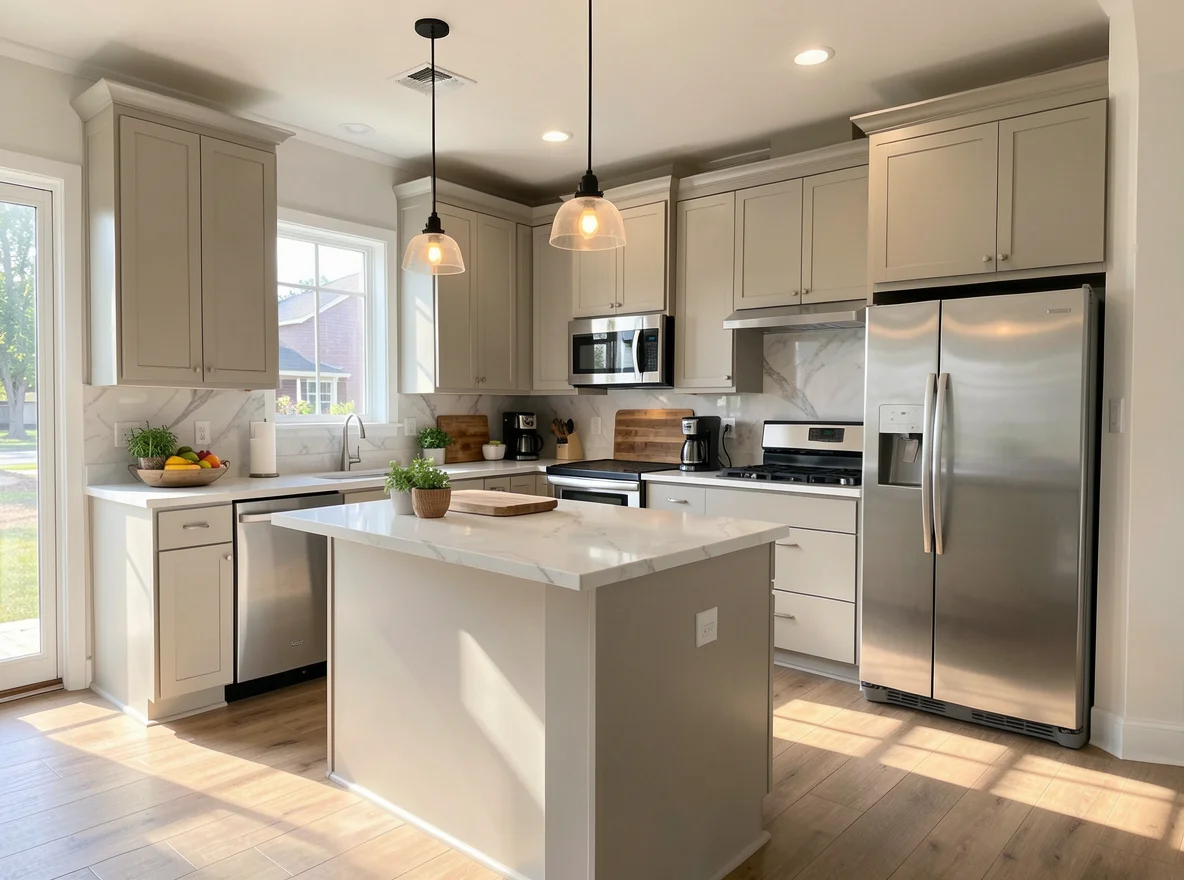
Depending on the condition of the existing materials, painting cabinets, replacing worn hardware, updating a faucet, or adding task lighting may be more practical than a full renovation. Choose durable finishes that fit the home’s overall style, and compare the cost of repair with replacement before committing. If appliances are near the end of their useful lives, include them in the plan rather than treating them as an afterthought.
For a larger remodel, get detailed written estimates that separate materials, labor, and allowances. Ask whether plumbing or electrical changes require permits, and confirm requirements with the relevant local permitting authority before work begins. Keep a contingency in the budget for concealed damage or other surprises once surfaces are opened.
A functional layout and sound materials can be worth preserving; changing the location of plumbing or major appliances may add costs quickly.
Resale value is not the same as project cost. A buyer may appreciate an updated kitchen without paying a dollar-for-dollar premium for every finish. Before selecting an expensive design, compare the project with the home’s condition and ask a local real estate professional how similar properties are presented.
Give Bathrooms and Outdoor Areas Practical Attention
Bathrooms benefit from many of the same principles as kitchens: fix underlying issues, improve function, and choose finishes that are easy to maintain. Repair leaking fixtures, refresh deteriorated caulk, and make sure ventilation works properly. A new mirror, updated lighting, or a fresh coat of paint can improve the room’s appearance without requiring a complete rebuild.
Outside, focus on the features that make the property easier to use and maintain. Clean walkways, trim vegetation away from the home, and repair loose porch boards or damaged railings. A shaded sitting area or a well-kept porch can add everyday enjoyment, but its value depends on the property and the preferences of future buyers.
If the property has a larger lot, think about the work required to maintain it as well as how it looks. Simple improvements such as clearing overgrown areas and organizing outdoor storage can make the grounds easier to assess. Avoid planting too close to the house, and keep drainage in mind when changing beds or hard surfaces.
Build a Plan Around Your Timeline
If you expect to stay for several years, give weight to improvements you will use and enjoy. If a sale is approaching, focus first on repairs, cleaning, and straightforward updates that help buyers understand the home’s condition. Either way, prioritize projects with a clear purpose instead of trying to complete every idea at once.
Make a short list, gather more than one estimate when appropriate, and check contractor qualifications and insurance. Keep invoices, warranties, permits, and a simple record of completed work together. For a major project, discuss financing and carrying costs before signing a contract, and avoid relying on a projected resale increase to make the numbers work.
For a Folsom homeowner, the best upgrade is often the one that solves a real problem while respecting the home and the budget. Start with maintenance, make comfort improvements thoughtfully, and choose visible updates that support the way the space works. When you are ready to sell, a local conversation about the property can help you decide which remaining projects deserve attention—and which can wait.