

A strong early offer starts before the listing goes live. Compare your Arabi home with the properties buyers will actually consider, then make targeted improvements that support your asking price. A clear launch plan can help you respond to the market without rushing important decisions.
Start with the competition, not a wish list
The price you hope to receive is a useful starting point, but it is not the same as a market-backed asking price. Buyers comparing homes in Arabi will notice differences in condition, layout, location and the work a property may need. Before settling on a number, ask your agent to prepare a comparative market analysis using recent sales and current listings.
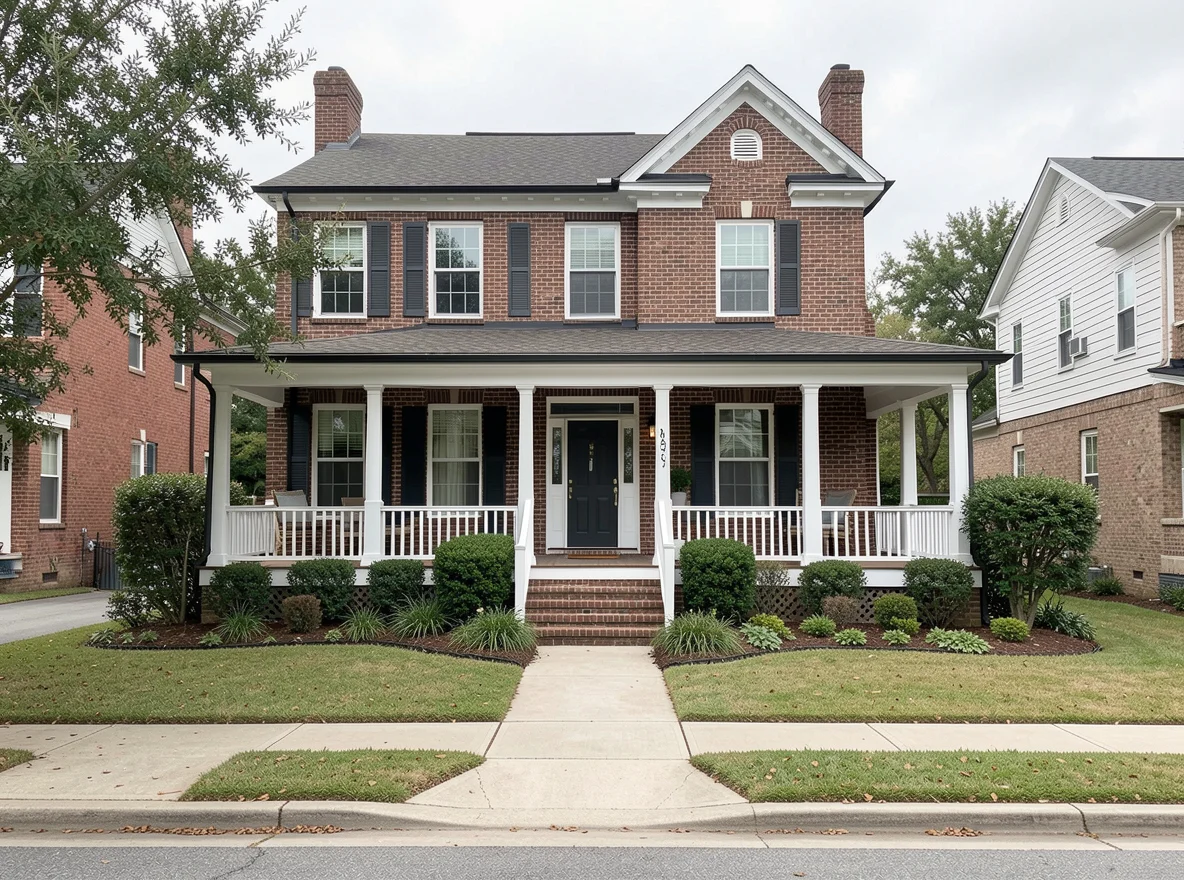
Look beyond the headline prices. Sold homes show what buyers agreed to pay in completed transactions; active listings show the alternatives shoppers can see right now. Pending properties can also offer useful context, although their final sale prices may not yet be public. Compare homes with similar square footage, age, features and overall condition, and discuss meaningful differences with your agent.
For example, a renovated kitchen may support a different price than one awaiting updates, but the cost of a renovation does not automatically translate into an equal increase in value. A home with a different lot, parking arrangement or elevation may also need a thoughtful adjustment. The goal is a realistic price range, not a single comparable sale that happens to match your expectations.
Active listings are your competition; closed sales are evidence of completed deals. Reviewing both gives you a more useful pricing picture than either one alone.
Ask how your proposed price fits the search ranges buyers use online. A small difference around a common price threshold can affect which searches include your listing. That does not mean choosing a number solely for a website filter, but it is worth considering alongside the comparable properties and your selling goals.
Prepare the details buyers will notice
Once you have a price range in mind, walk through the property as if you were seeing it for the first time. Start at the curb and follow the same route a visitor would take: entry, main living spaces, kitchen, bedrooms, bathrooms and outdoor areas. Make a list of anything that looks unfinished, is difficult to operate or distracts from the home’s strengths.
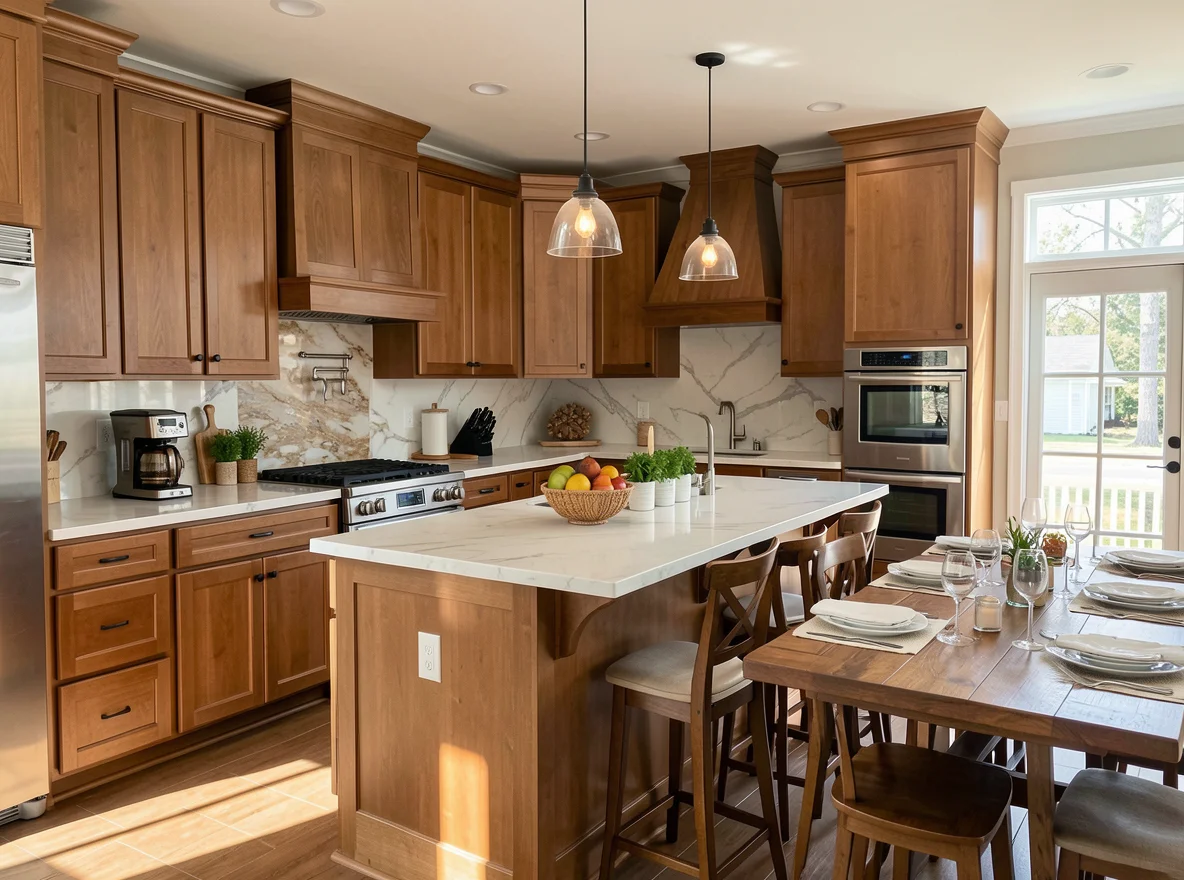
Focus first on practical, visible fixes: repair a dripping faucet, replace burned-out bulbs, touch up worn paint and make sure doors and windows operate properly. Clean floors, appliances and bathrooms thoroughly, and keep walkways and the entrance tidy. These steps will not erase a property’s larger maintenance needs, but they can make it easier for buyers to concentrate on the space rather than a collection of small distractions.
For staging, remove excess furniture and personal clutter so rooms are easy to understand and move through. Clear kitchen counters, open window coverings where appropriate and arrange seating to show how the living area functions. Keep the look simple rather than investing in an elaborate makeover. If a room has an unusual layout, a considered furniture arrangement can help show its possibilities without promising a use the space cannot support.
Before taking on a major project, weigh its cost and timeline against the likely benefit. A fresh coat of neutral paint may be easier to justify than a full remodel immediately before listing. Your agent can help you decide whether to complete a repair, price the home with its condition in mind or discuss a possible concession with buyers. Get professional advice for work involving structural, electrical, plumbing or other specialized issues.
Give buyers useful information upfront
Preparation is more than appearance. Gather records for improvements, repairs, warranties and routine maintenance, along with any available survey or property documents. If you have receipts for roof work or mechanical-system servicing, organize them by date. A clear record can help answer questions efficiently, although it does not replace a buyer’s inspection or independent verification.
In Louisiana, sellers should discuss applicable property disclosure requirements with their agent and provide accurate information based on their knowledge. Avoid guessing when you do not know an answer. For questions about legal obligations or a particular defect, consult an appropriate licensed professional or attorney.
Buyers may also ask about flood risk, elevation and insurance costs. If available, have relevant documents, such as an elevation certificate or prior insurance information, ready to share. Past premiums do not guarantee what a new owner will pay, so encourage buyers to obtain their own insurance quotes and verify current flood-zone information.
A past insurance premium is not a quote for the next owner. Having available documents ready can help buyers investigate costs on their own terms.
Plan the launch and measure the response
First impressions happen online as well as at the front door. Once cleaning, repairs and staging are complete, arrange listing photos that accurately represent the property. Highlight useful features such as the room layout, outdoor space, parking and recent improvements. Confirm measurements and property details before publication, and avoid descriptions that make claims you cannot substantiate.
Discuss the showing plan before the listing goes live. Consider when the home can be available, how much notice you need and how you will keep it ready between visits. Flexibility can make it easier for interested buyers to see the property, but a workable schedule matters too. Your agent can help coordinate appointments and collect feedback without treating any single comment as a verdict on the price.
Agree in advance on a date to review results. Look at online interest, showing activity, buyer feedback and any offers in the context of competing listings and current market conditions. If interest is limited, revisit both presentation and price rather than assuming one small change will solve everything. If buyers are viewing but not offering, ask what they are comparing your home against and whether a recurring concern needs attention.
Evaluate the whole offer
The highest price is not always the strongest offer. Review financing, contingencies, requested concessions, deposits, proposed closing date and any other terms with your agent. A financed offer may depend on an appraisal and lender approval; an offer with fewer contingencies may present different tradeoffs. Consider how each proposal fits your priorities and your ability to move on the proposed schedule.
Explore more home-selling guidance
Pricing well is not about predicting the market perfectly. It is about starting with sound comparisons, presenting the home honestly and having a plan to respond to what buyers tell you. With thoughtful preparation and guidance from Nola Real Estate, you can put your Arabi home on the market ready for serious consideration from day one.